
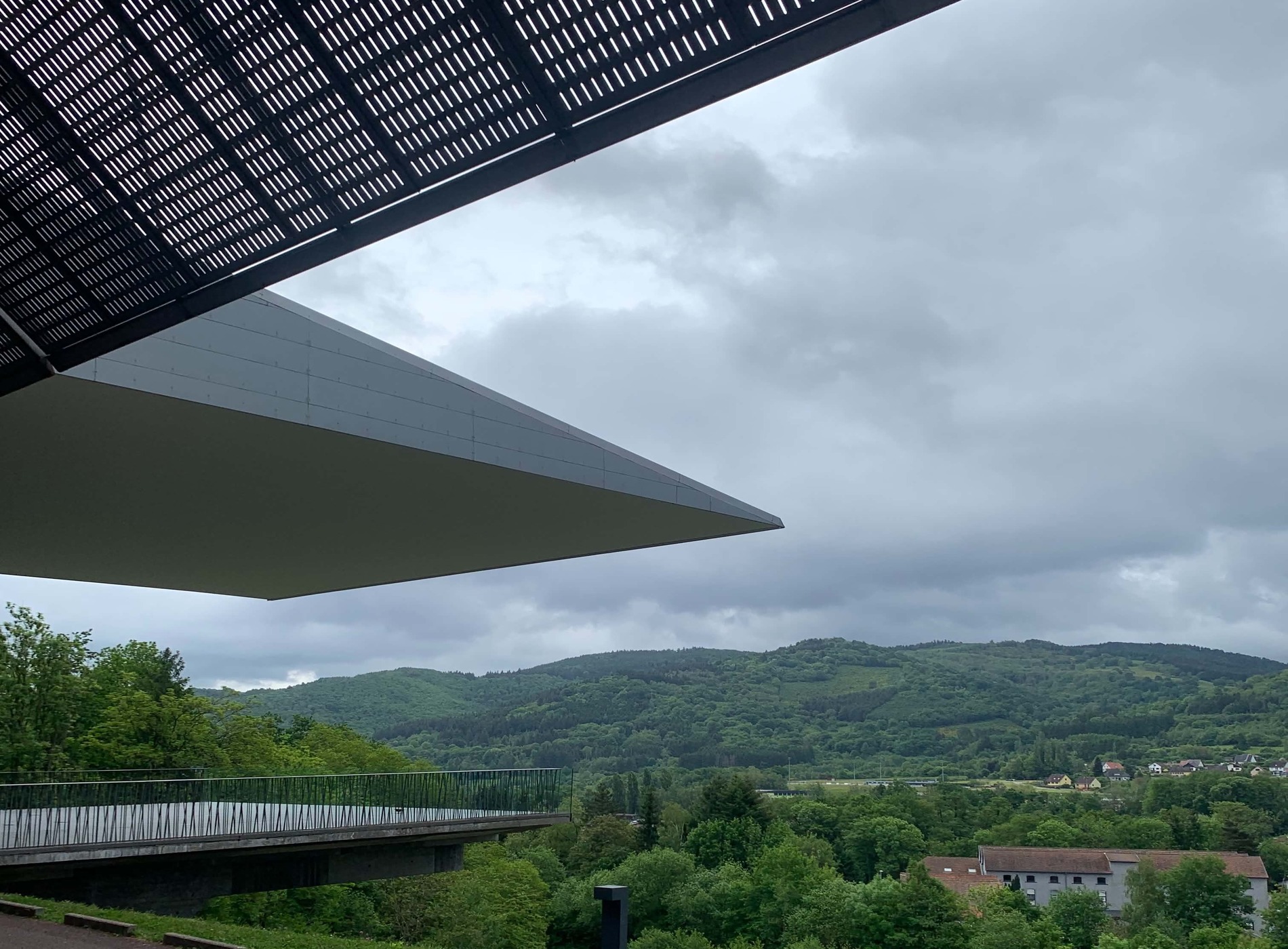
Located in Schirmeck, a few kilometers from our valley, the Alsace-Moselle Museum offers an immersive experience into a history that has profoundly shaped our region. From conflicts and border changes to collective memory, here's a look back at a visit rich in discoveries.
Understanding the history of Alsace-Moselle
The history of Alsace and Moselle has profoundly shaped our territory and the identity of many families in the region. Between 1871 and 1945, these border lands experienced several changes of nationality, passing from France to the German Empire and then back to France, in step with the wars and upheavals of Europe. After the Franco-Prussian War of 1870, Alsace and part of Moselle were annexed to the German Empire. For nearly fifty years, the population lived under German administration before returning to France after the First World War. But this history remains turbulent: during the Second World War, Alsace-Moselle suffered another de facto annexation by the Nazi regime, leading to forced Germanization, the conscription of young men into the German army, and deep wounds that remain etched in the collective memory. Today, understanding this history allows us to better grasp the unique characteristics of our territory and the importance of remembering.
An immersion into the heart of regional history
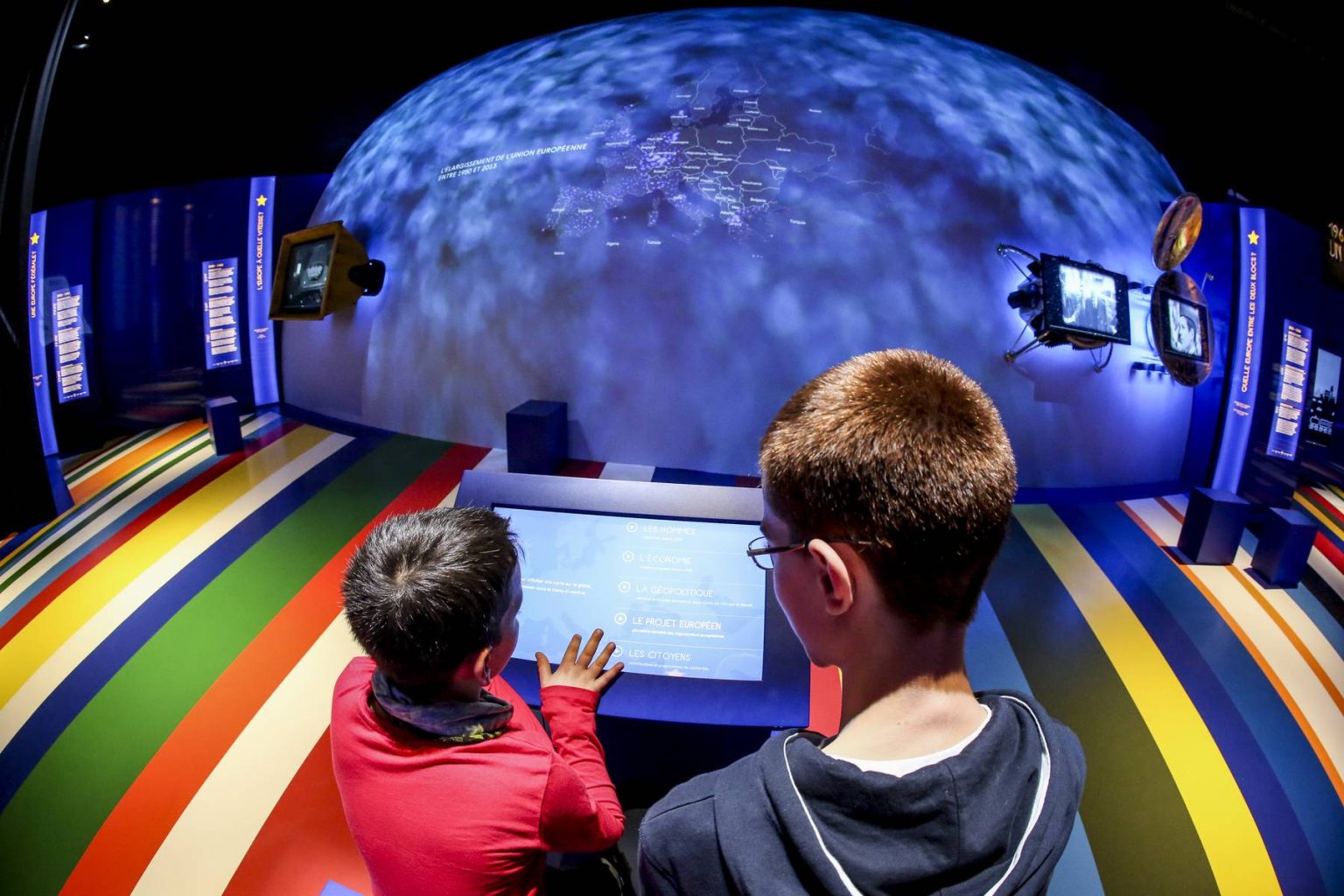
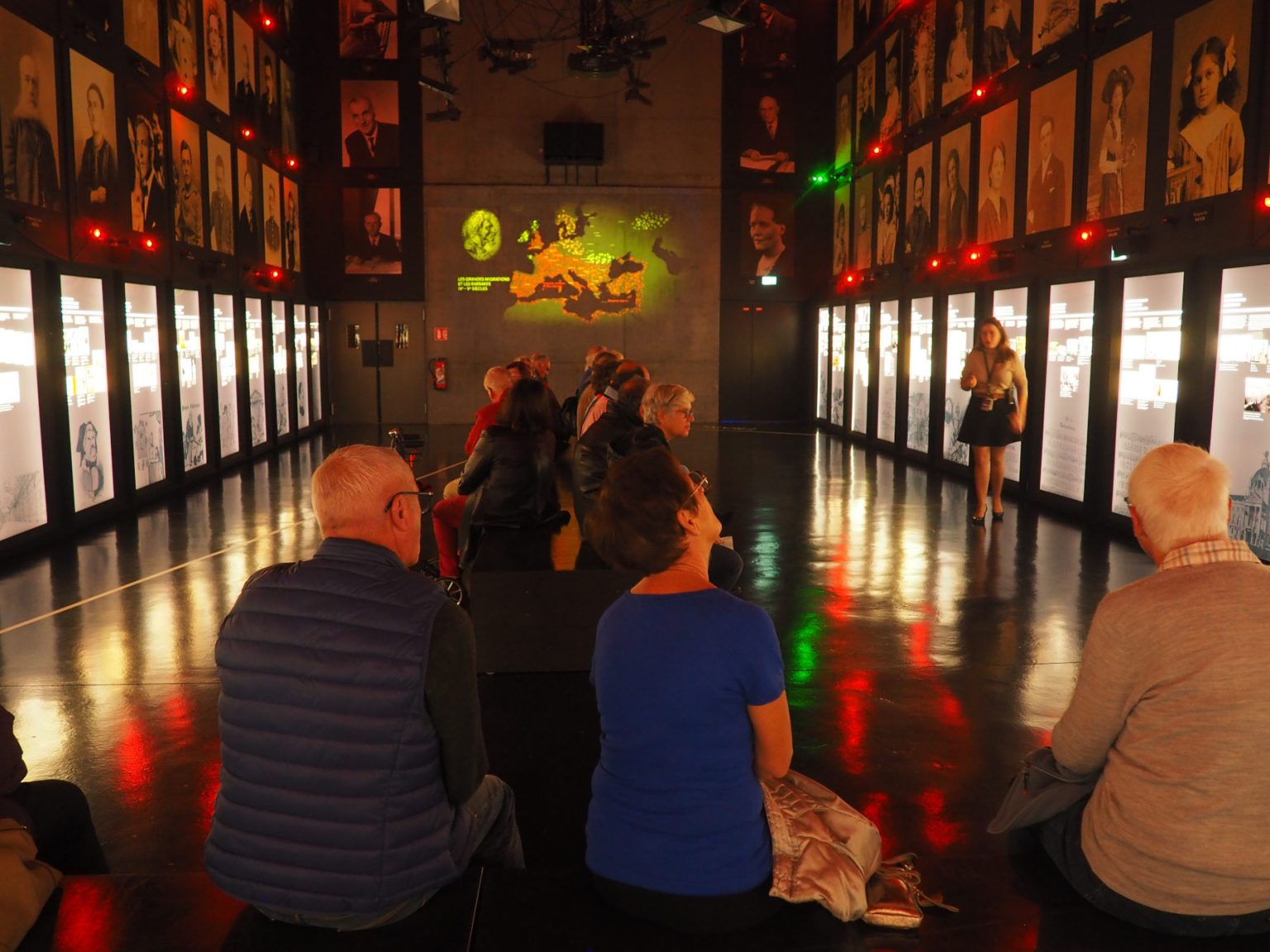
Accessible to both friends and families, a visit to the Alsace-Moselle Museum offers a true immersion into the unique history of these territories, from the 1870s to the construction of Europe. The chronologically organized tour allows visitors to follow the major political and historical upheavals that have shaped Alsace and Moselle: changes in nationality, conflicts, power struggles, and periods of occupation. Significant emphasis is placed on the Second World War and the impact of the Nazi regime on the daily lives of the inhabitants. Throughout the visit, the exhibition design blends archival documents, posters, propaganda films, artifacts, and personal accounts, making the experience both engaging and accessible. At the end of the tour, the museum explores Franco-German reconciliation and European integration, prompting reflection on the peace and cooperation that emerged after the conflicts.
A memorable visit, rich in discoveries.
Throughout the visit, certain rooms stand out for their staging and the emotion they evoke. I was surprised by how the museum manages to make this historical period so tangible and accessible. Even if you think you already know some of the history of Alsace-Moselle, you discover many details about the daily lives of the inhabitants, the changes imposed upon them, and the consequences experienced by families. The immersive scenography really helps you project yourself into these sometimes complex periods. A visit I highly recommend to history enthusiasts, families, and anyone who wants to better understand our region.
The room that personally affected me the most was the one where the street names gradually change from French to German. This visual shift is particularly striking, as is the evolution of the symbols above our heads: the French flag slowly gives way to Nazi flags as we progress. The corridor, initially wide and open, gradually narrows and slopes upwards, creating an increasingly oppressive atmosphere. This immersive staging makes the experience particularly memorable and allows you to feel, even if only briefly, the sense of oppression and unease.
A summer program full of discoveries
Beyond its permanent exhibition, the Alsace-Moselle Memorial also offers a diverse cultural program throughout the year. This summer, several events will enrich the experience and allow visitors to delve even deeper into this regional history.
Among the events offered are the exhibition "Alsatian Embroidery" (from April 11 to July 10, 2026), themed guided tours such as "Discovery," which explores the unique history of Alsatians and Mosellans between France and Germany, and "Vorbruck-Schirmeck, In the Footsteps of a Forgotten Camp," a tour dedicated to the history of the Schirmeck security camp. Younger visitors are not forgotten with "Jean or Hans, What a Story!", a tour adapted for children that recounts daily life during the Second World War through the eyes of a young boy. On the cultural side, the memorial also hosts events such as the Jazz'n Bruche – BAROUF concert, as well as theatrical performances like "The Stork Only Has One Head," a play about annexed Alsace during the Second World War. During school holidays (zone B), guided "Discovery" tours are offered without supplement or reservation, from Monday to Friday at 11am and 14:30pm, a great opportunity to deepen the visit.
Practical information
The Alsace-Moselle Memorial is located on Allée du Souvenir Français in Schirmeck (67130), just a few kilometers from our valley.
Alsace-Moselle Memorial
Avenue of French Remembrance
67130 Schirmeck
+33 (0)3 88 47 45 50
reservations@memorial-alsace-moselle.com