
Let us continue today, in the company of Pauline, our series of articles on the little-known secrets of our Valley during the Second World War.
Unusual and ingenious hiding places of forced conscripts
From the Allied landings in Normandy towards the end of the war, many conscripted soldiers, sensing the approaching end of the conflict, began deserting to join the Allied side, and fleeing the Wehrmacht became increasingly common. Soldiers on leave returning home also considered not rejoining their units and going into hiding until liberation.
“Théophile Maire and Eloi Meyer, hidden on Edouard Deybre’s farm, helped with the farm work in exchange for their labor. That summer of 1944, they were the first to finish the haymaking and cherry picking, thanks to the two young men, disguised as women to climb the ladders.” – Testimony of Freddy Dietrich
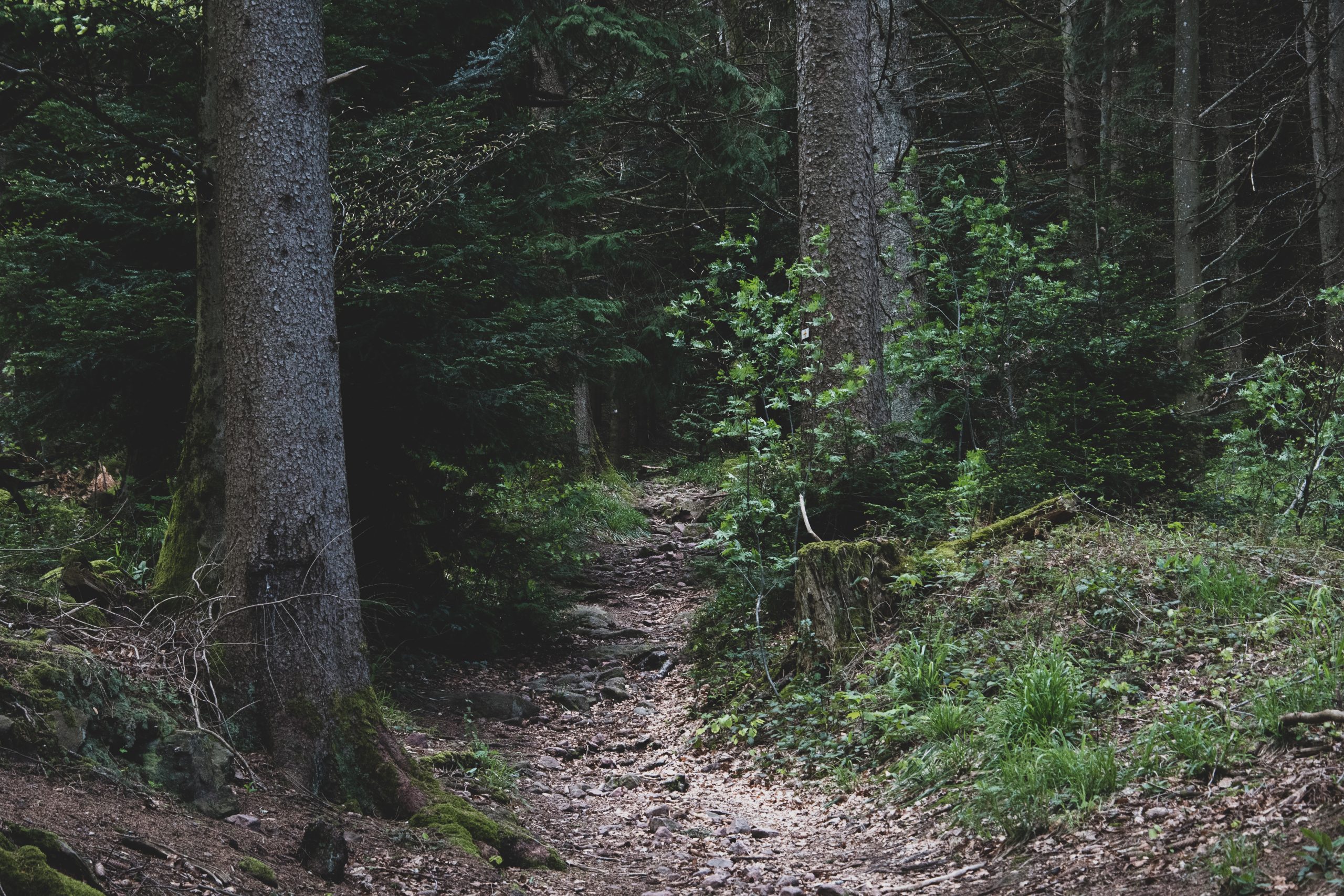
After a few weeks or months, the resisters would change their place of refuge. From September onwards, most would take refuge in the forest because the farms were no longer safe places and would be supplied by the villagers pretending to go mushroom picking, gathering ferns or dead wood.
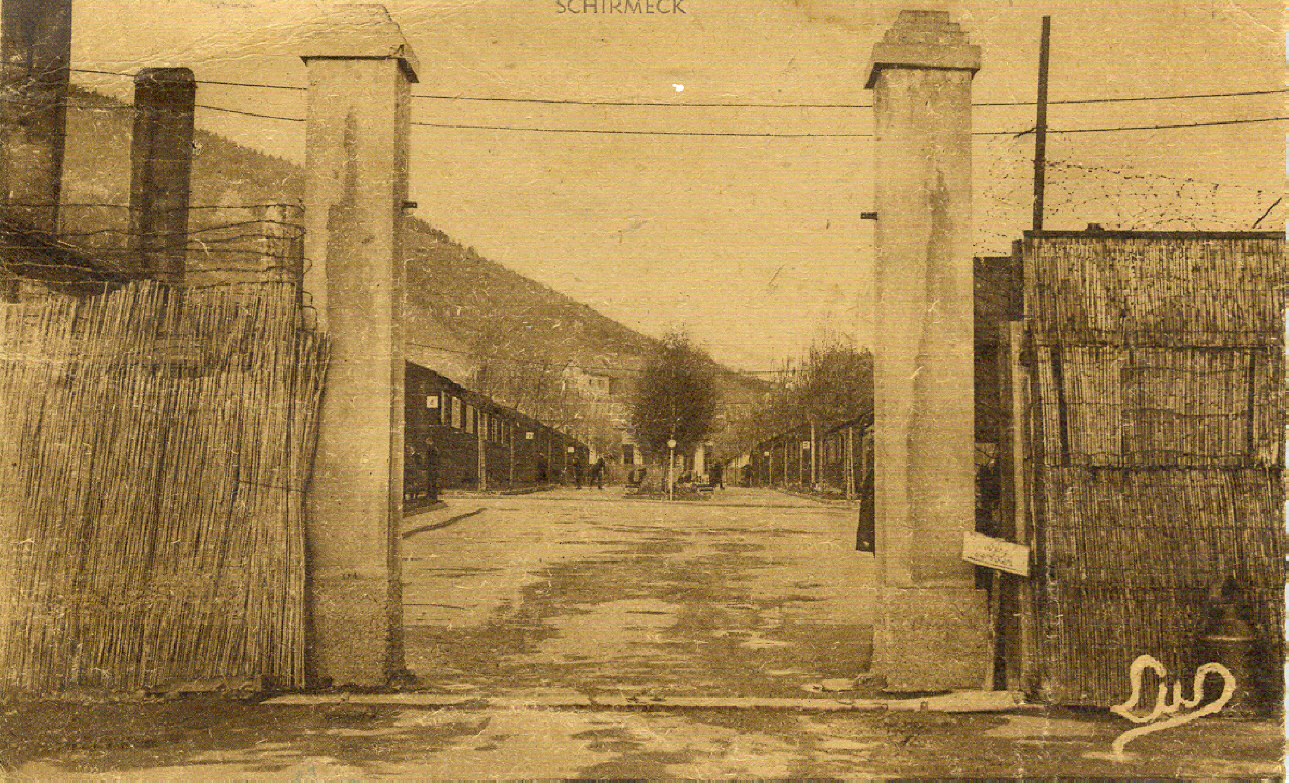
In Villé, the case of Paul Bolle, a former smuggler very active in the Haubtmann network, has been recorded:
"Discovered in 1943, he was interned at the Schirmeck-La Broque camp until the spring of 1944. Upon returning to Villé, and fearing his imminent conscription into the Wehrmacht, he immediately joined the Resistance and went to hide in the Ungersberg forests, which he knew well from his frequent hunting trips there. With another draft dodger from Andlau and an escaped Russian prisoner, he built a hut in a fir tree, several meters high and invisible from the ground. Access was only possible by climbing another tree, then moving from treetop to treetop until reaching the shelter. The three companions remained hidden there for nearly six months, supplied by accomplices." - Testimony of René Deschamps
Photo source: Wikipedia
Liberation, frying pan & tragic fate of brandy
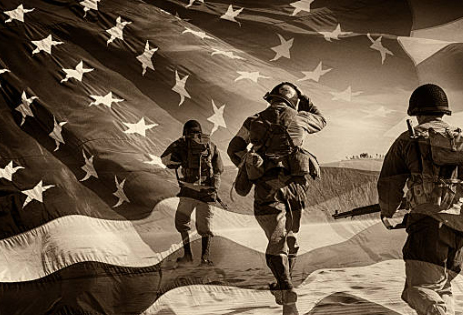
When the American allies arrived in the valley, the German infantry responded by establishing various pockets of resistance. As the days passed, the Americans neutralized these German strongpoints with artillery and machine gun fire. Little by little, the GIs (American soldiers) liberated the valley.
“On November 29, 1944, American infantry units, clearing the area, were still taking isolated prisoners. The GIs would hide in individual foxholes at night for protection. Traces of these can still be seen in the pine forest.” – Testimony of Antoine Fuchs
American troops, rich in equipment, are helping to repair electrical cables, overhead telephone lines and water distribution.
“Enormous lifting and leveling machines were overcoming the anti-tank barriers, dumping the large logs below the roads and embankments. The problem of anti-personnel mines remained, around the barriers, in the ditches and roads, and along the edges of the forest. Specialists with frying pans combed the roadsides, posting 'Mines Clear' signs on the trees at intervals.” – Testimony of Antoine Fuchs
Late November 1944. The front is getting closer and closer to the Villé Valley. Senior officers are passing through the village of Neubois; they are clearly retreating.
“That day, our neighbor Jean-Louis dug a hole in the vegetable garden to hide a huge demijohn of brandy he had just distilled, fearing the soldiers would empty it.” Finally, a week later, “ two shells hit our neighbor’s property: one crashed into the shed next to the house, and the other—guess where? Oh, the irony of fate!—right where the demijohn of schnapps was hidden. All that remained were shards of glass and pieces of woven wicker. The precious liquid had soaked the soil in the vegetable garden. What a shame!” – Testimony of Joseph Munsch
This concludes the second article on significant anecdotes in our valley during the Second World War.
We thank Pauline and look forward to seeing her again for the third and final installment of this series.