You are here > Home > News > Discovering woodworking trades: a craft journey in the Villé Valley
Discovering the crafts of woodworking: an artisanal journey in the Villé Valley
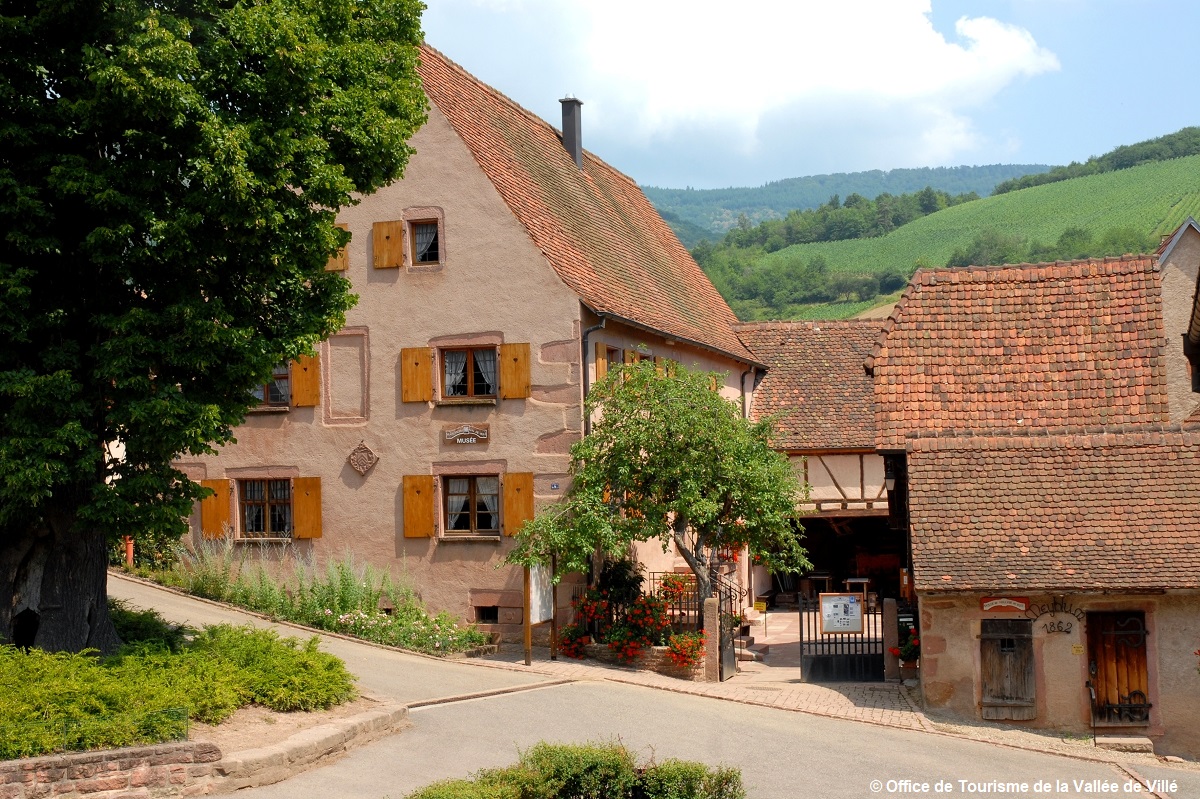
Immerse yourself in the heart of traditional woodworking by visiting Emilie's basketry workshop in Breitenbach or the Villé Valley Museum in Albé.
Discover the passion and know-how of wood artisans, with special days showcasing different crafts: basket maker, carpenter, wooden pipe driller and wood sculptor.
Visit to the basketry workshop with Émilie
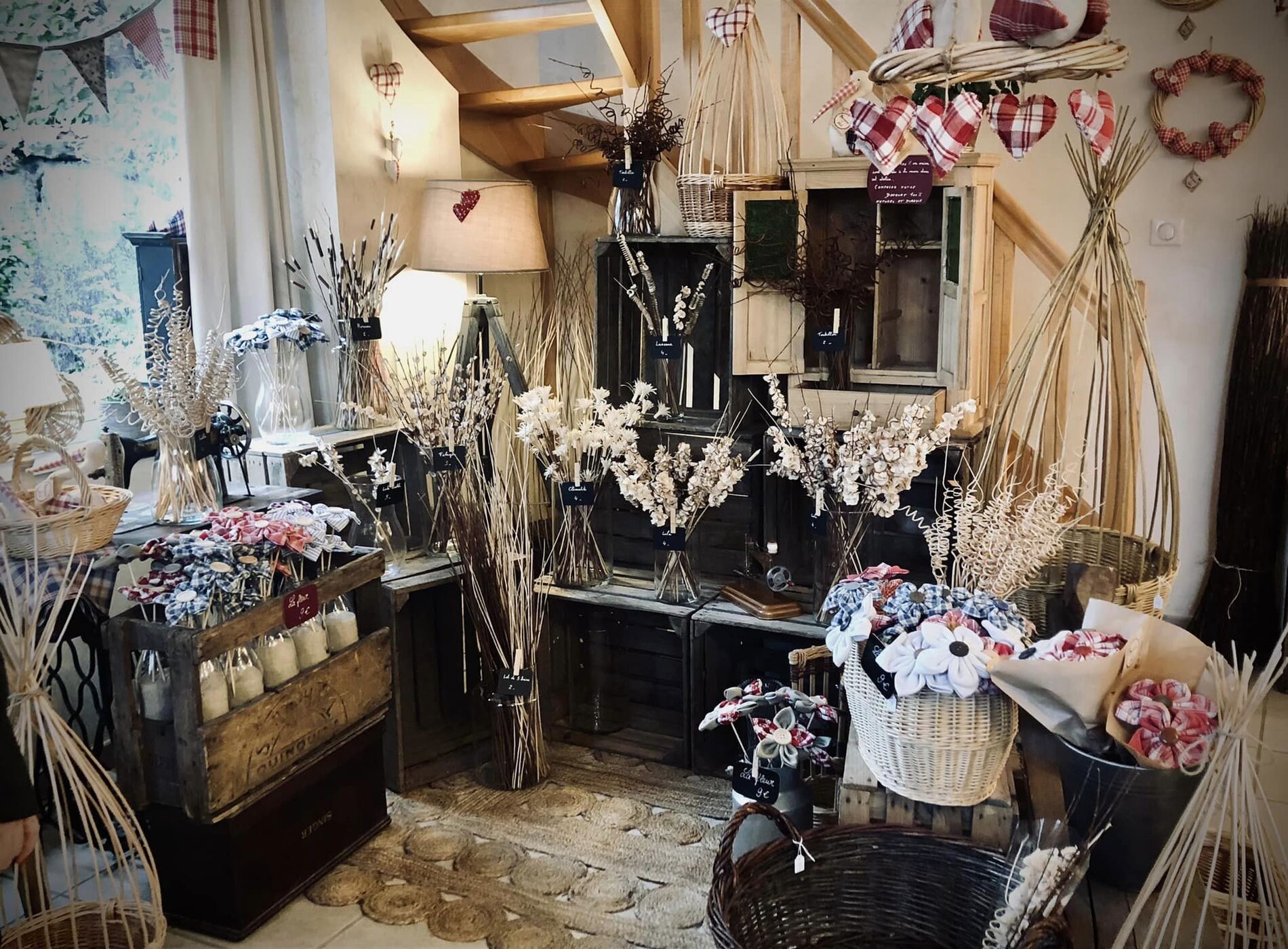
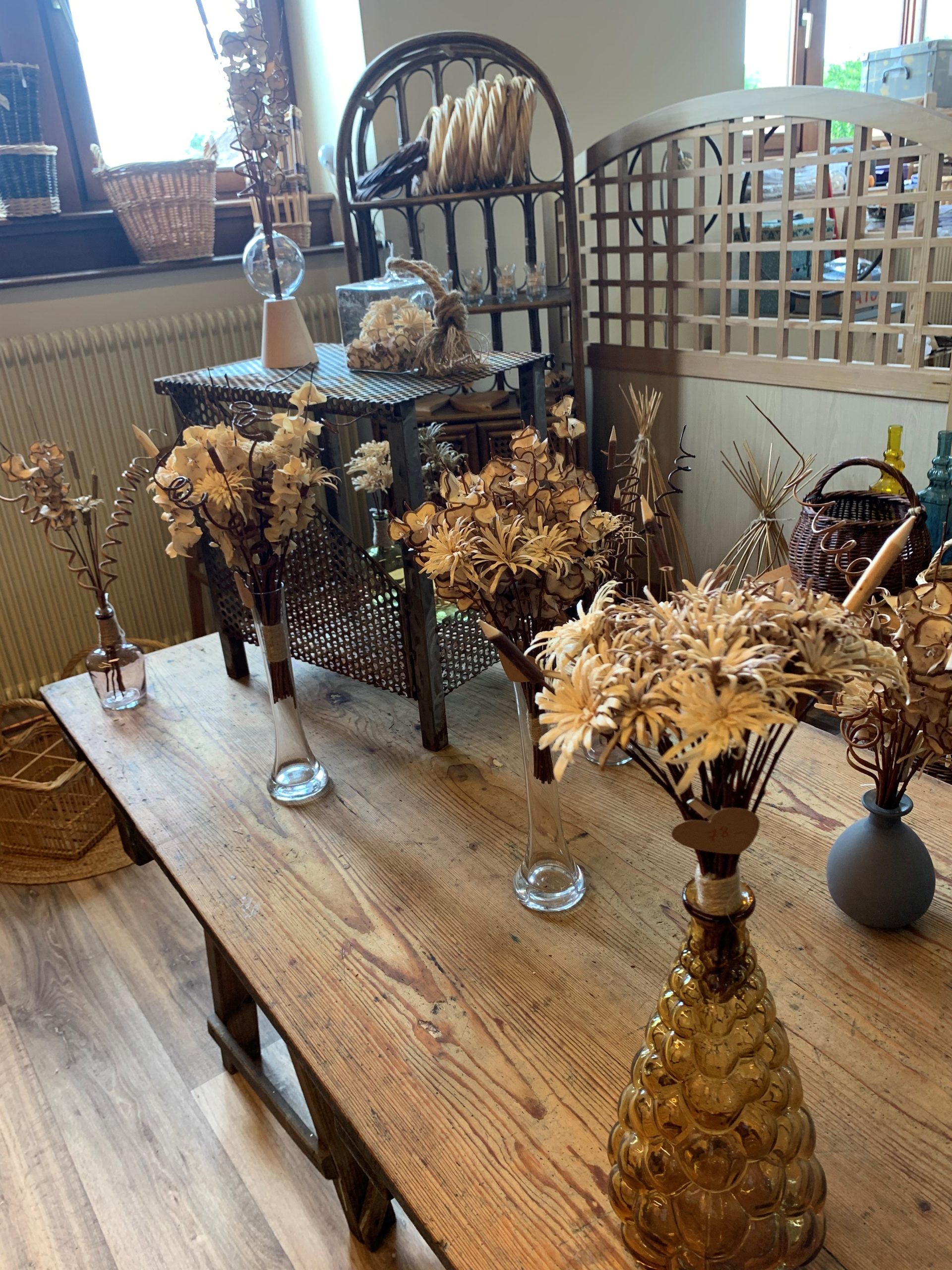
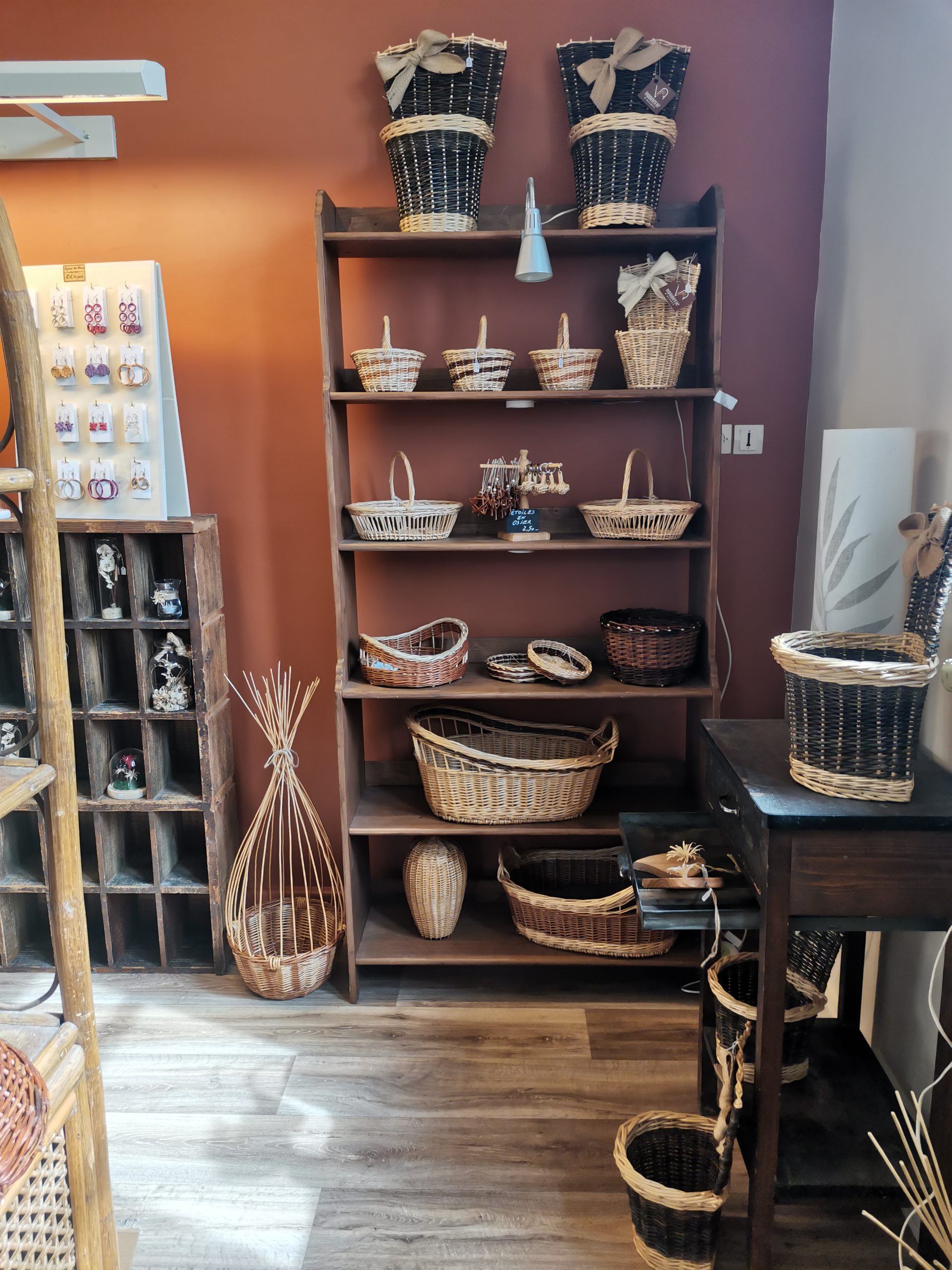
Begin with a guided tour of the basketry workshop, where you will be welcomed by Émilie, a basket maker passionate about her craft. Émilie will introduce you to the world of willow, a natural and versatile material used to create a variety of objects.
Find it on the following dates:
Thursday 18 July 2024
Thursday July 25
Thursday August 1
Thursday, August 8
Thursday, August 22
Thursday, August 29
The tours start at 10:30 am at 1 rue des Tilleuls in Breitenbach.
A program full of discoveries at the Villé Valley Museum
You will be able to meet talented artisans during special days on July 21 and August 11, 2024.
These meetings are included in the museum's entrance fee.
To immerse yourself in the world of woodworking, discover four craftsmen: the basket maker, the carpenter, the wooden pipe driller and the wood sculptor.
The rare and precious craft of the basket maker
Today there are only about 200 basket makers left in France, compared to 40,000 in 1900.
This ancient craft is dedicated to the art of weaving plants with flexible stems such as willow, rattan, straw, palm, raffia or even certain grasses, to make baskets, hampers and many other objects.
The basket maker's work begins with the preparation of the plant fibers. He or she sorts the stems according to their size, soaks them as needed to soften them, and then shapes them using various weaving techniques. A finishing phase follows, involving steps such as cutting (peeling), applying dye, varnish, or glue to give the objects their final appearance.
The basket-making trade requires great manual dexterity, strength, patience, as well as a creative and meticulous mind.
The carpentry trade: a precise and bespoke art
The carpenter, a craftsman of precision, works primarily on a custom basis, manufacturing doors, windows, cupboards, and much more.
Every project begins with choosing the material best suited to the construction.
Traditionally, wood is the carpenter's preferred material. However, they are increasingly using aluminium, PVC, as well as particleboard or laminate panels.
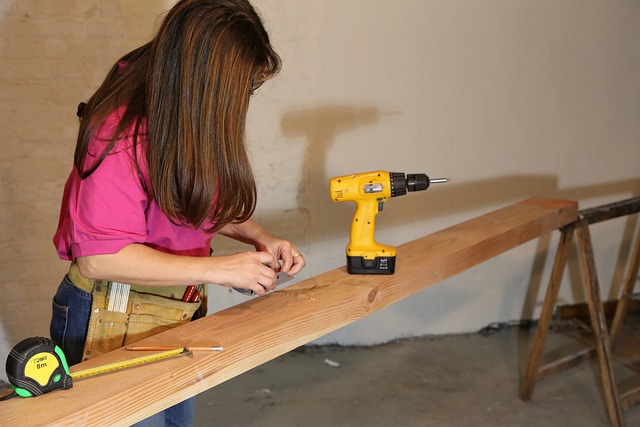
After selecting the material, the carpenter draws up the plans using compasses and various marking tools. Next comes the shaping phase, carried out with specialized machines that give form to the pieces. Once the assembly is complete, the carpenter finishes the work by applying various coatings to protect and beautify the creations.
The work of a carpenter, whether in the workshop or on a construction site, demands great precision and constant attention to detail. Frequently traveling to sites, the carpenter regularly collaborates with other building trades, thus contributing to the harmonious execution of construction or renovation projects.
This profession, combining tradition and modernity, is essential in the craft and building sector, offering tailor-made solutions that meet the specific needs of each client.
The ancient craft of the wooden pipe driller: craftsmanship and know-how
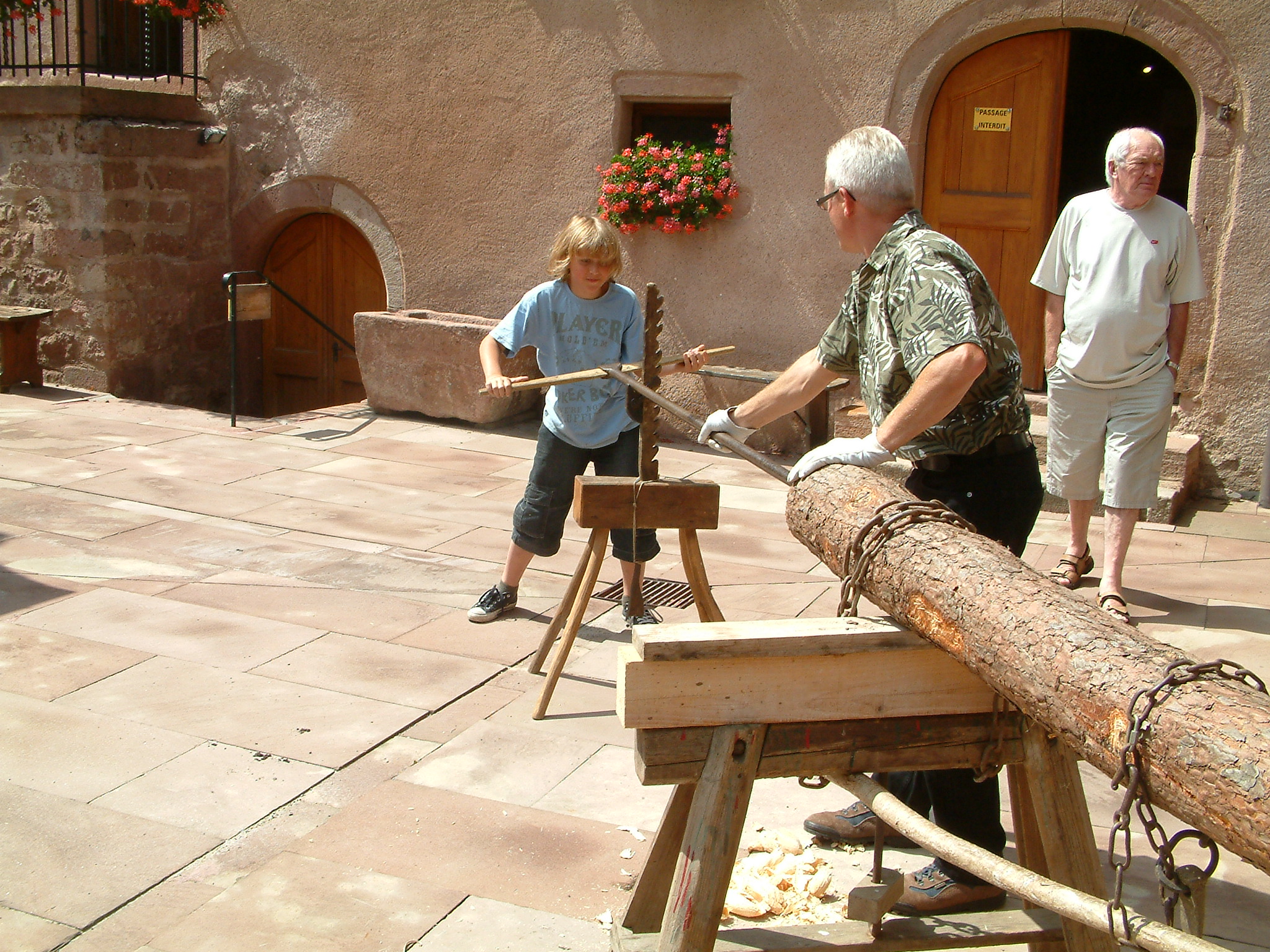
Hollow-core pipes made of spruce or maple were essential for transporting water over long distances, frequently used in aqueduct, irrigation and water distribution systems.
The trade of wooden pipe driller was once a specialized craft, requiring extensive skills in carpentry and construction. Craftsmen had to master not only woodworking techniques but also have a thorough understanding of the specific properties of each type of wood used, as well as preservation methods to ensure the pipes' durability.
This craft testifies to the importance of craftsmanship in ancient hydraulic engineering systems, where precision and know-how were crucial to ensuring the proper functioning of infrastructure vital to society.
The craft of wood sculptor: creation and restoration of unique works
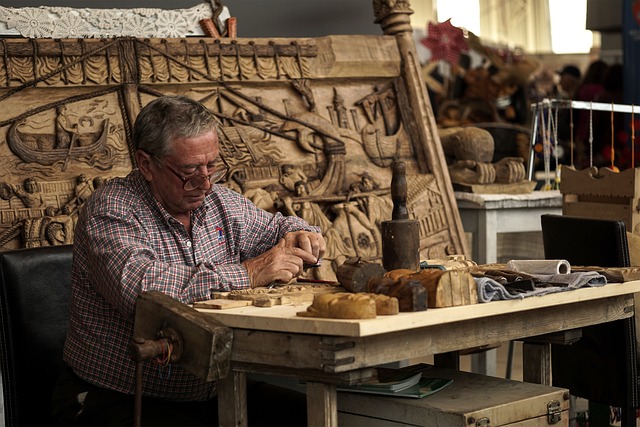
The wood sculptor creates, reproduces, decorates, and restores wooden objects such as furniture and sculptures, precisely fulfilling custom requests for decorative panels or artistic sculptures. They can also work with other materials, employing the same artisanal techniques.
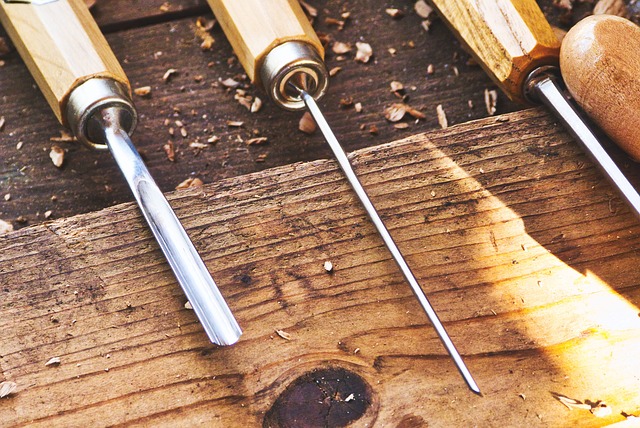
Using mainly traditional tools such as chisels, gouges, burins and planes, the artist may also use modern technologies such as CNC or CAD machines, as well as chainsaws for more robust work.
Wood carving decorated many interiors in past centuries, embellishing furniture, woodwork and manifesting itself in the form of sculptures in the round, testifying to its importance in traditional decorative and artistic craftsmanship.