History of nativity scenes
The first living nativity scene appeared in the 13th century, inspired by texts recounting the childhood of Jesus. Saint Francis of Assisi, returning from Bethlehem, decided to recreate the Nativity scene life-size to share this story with the villagers. On Christmas night 1223, the nativity scene came to life in the churchyard of Greccio: the villagers dressed up as Joseph, Mary, the Three Wise Men, and the shepherds.
The tradition spread rapidly in Italy and Provence, thanks to the followers of Saint Francis of Assisi. In the 16th century, nativity scenes were set up inside churches in Eastern Europe, notably in Prague. Gradually, the custom spread throughout Europe.
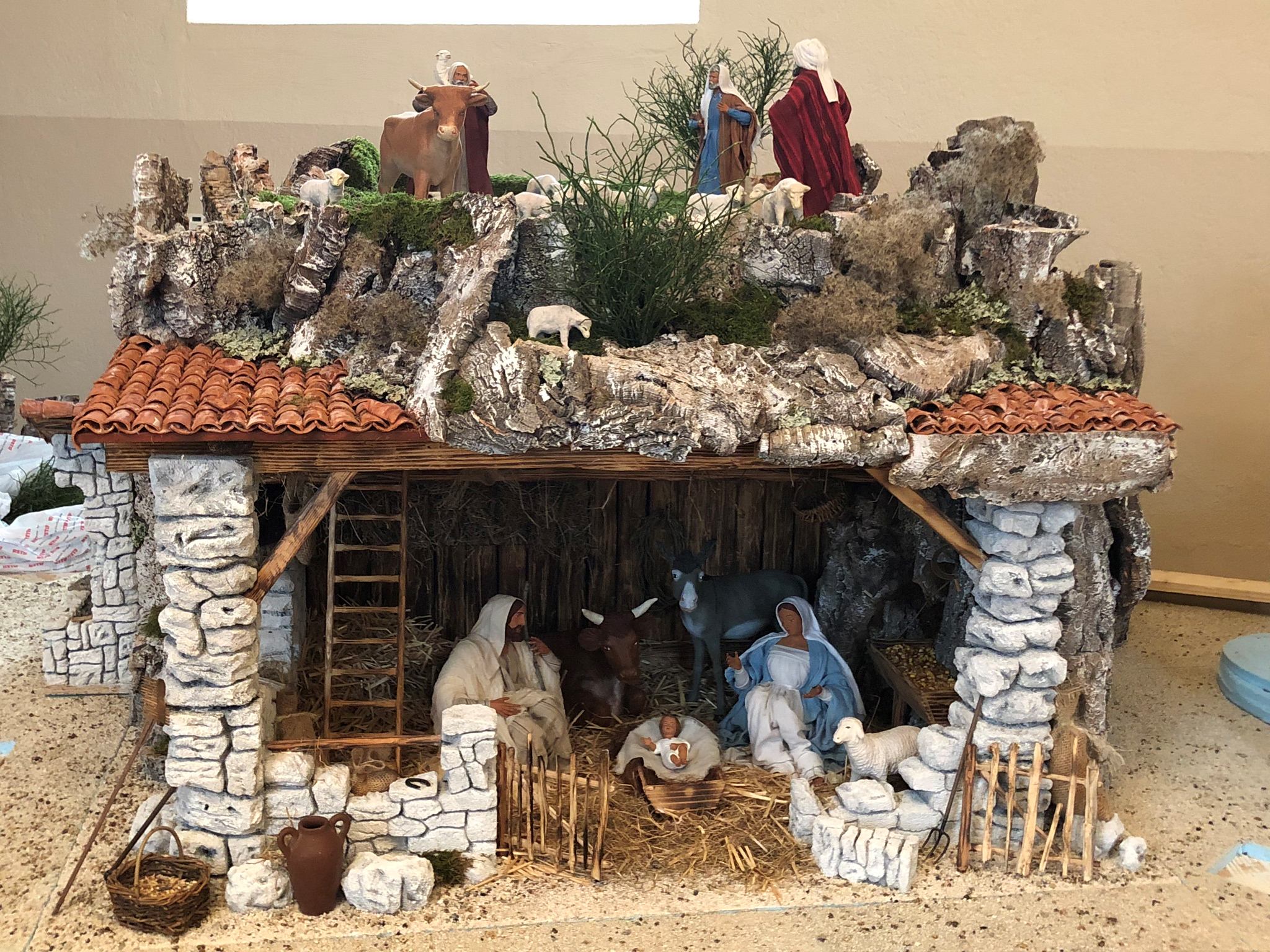
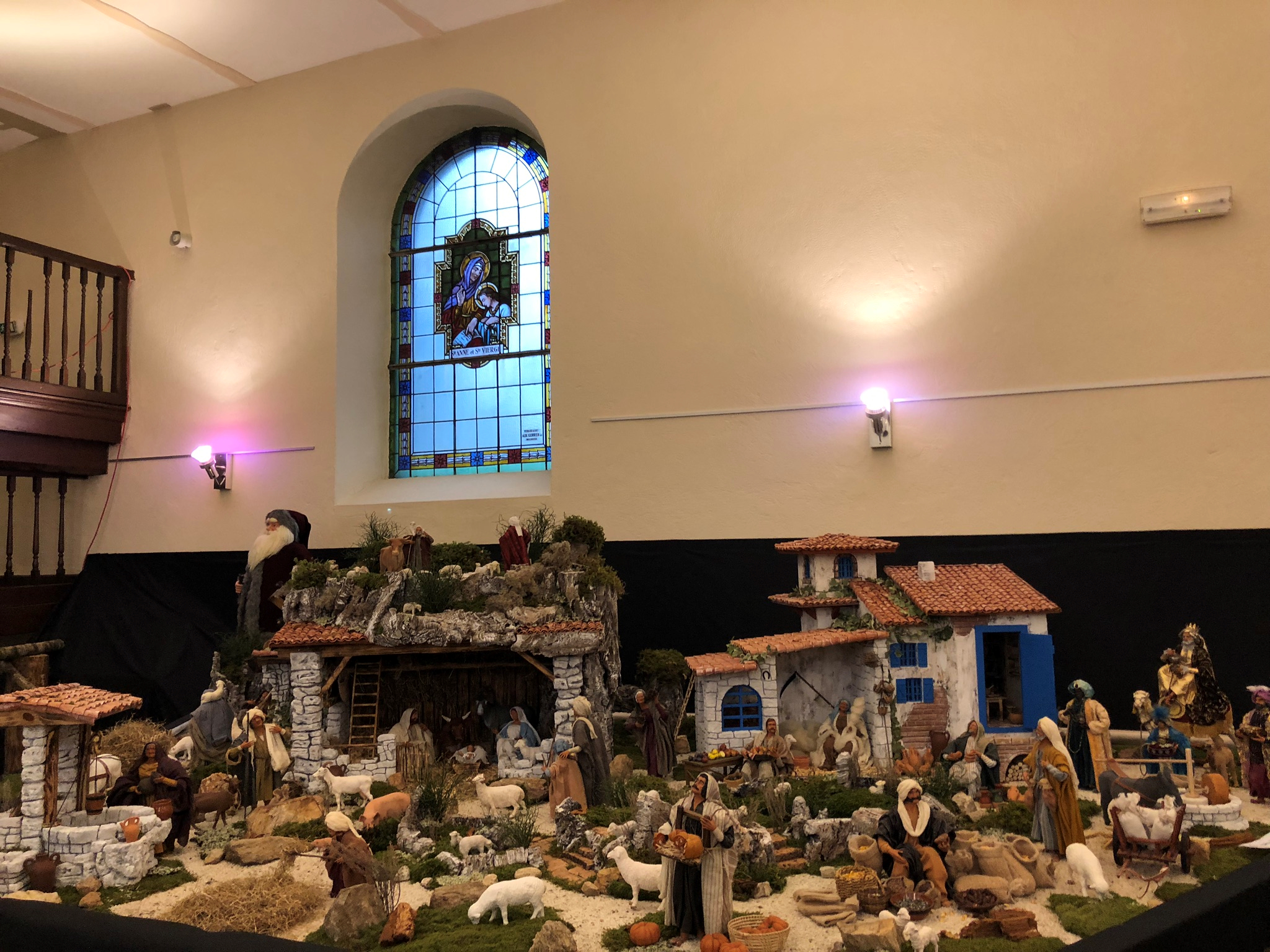
In the 19th century, the Provençal nativity scene appeared in Marseille. Its distinctive feature lies in the santons, small figurines representing scenes of local life and traditional trades. During the French Revolution, in 1793, with public displays forbidden, the tradition of domestic nativity scenes emerged. People began setting up nativity scenes inside their homes, with the first santons fashioned from breadcrumbs, and later from the famous red clay of Provence.
When and how to set up the Christmas nativity scene?
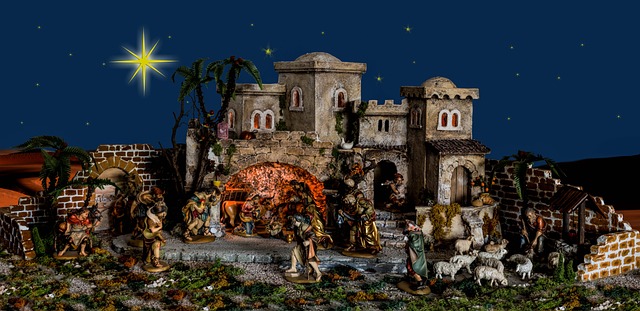
The Nativity scene is usually set up on the first Sunday of Advent or on Saint Nicholas' Day. It depicts Mary and Joseph praying before a manger, surrounded by a donkey, an ox, and an angel. On Christmas Eve, at midnight, the baby Jesus is placed in the manger. The Three Wise Men—Melchior offering gold, Caspar offering frankincense, and Balthazar offering myrrh—along with the shepherds, make their way to the manger, guided by the Star of Bethlehem.
The nativity scene remains in place until February 2, the day of the Presentation of Jesus at the Temple, although some families remove it after Epiphany, on January 6, celebrating the visit of the Three Wise Men.
Regional nurseries and their diversity
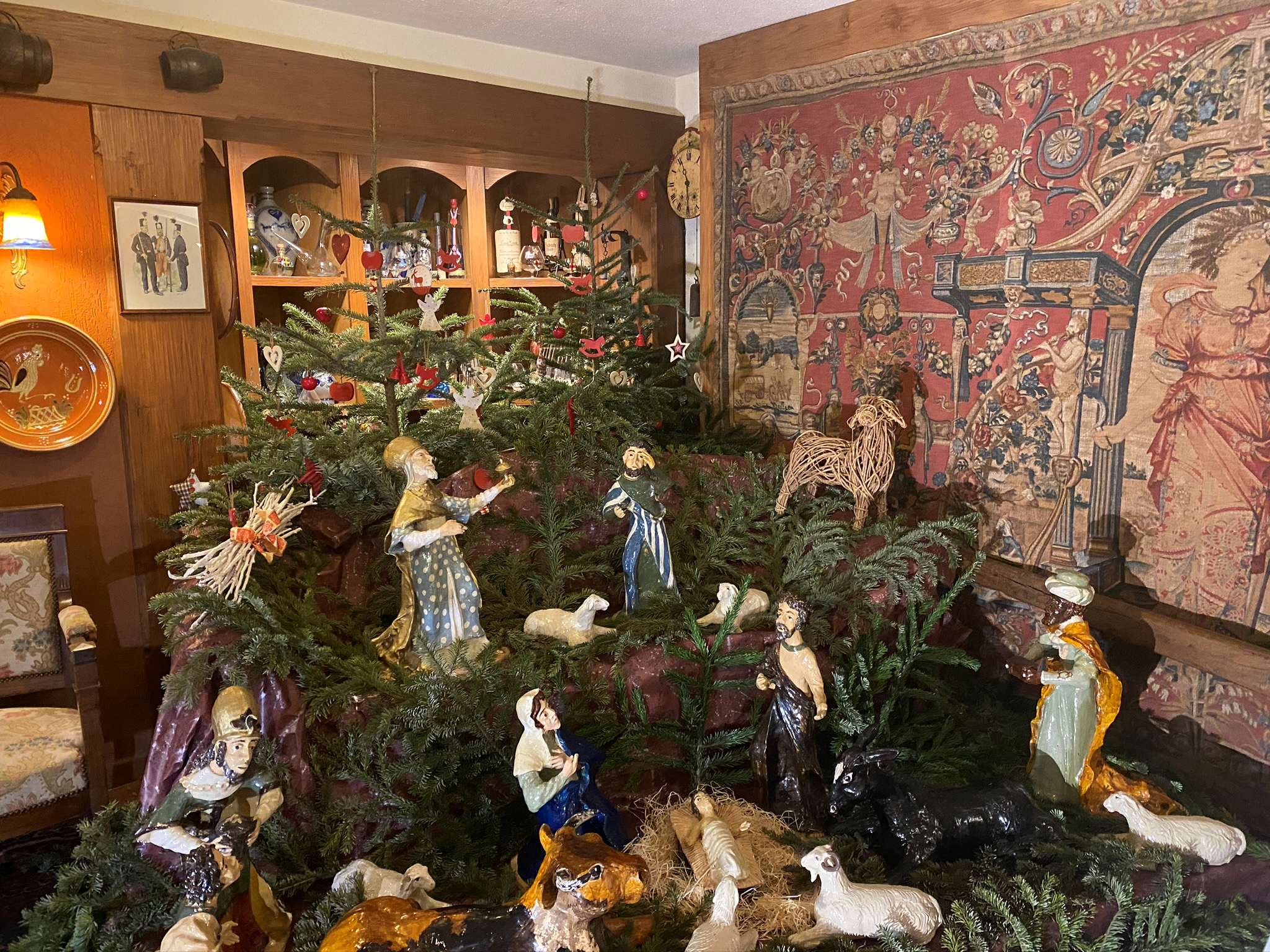
Depending on the region, nativity scenes reflect local traditions: they can be made of wax, terracotta, porcelain, or plaster. For some families, placing a nativity scene under the Christmas tree is an essential tradition, perpetuated year after year, to symbolize the birth of Jesus surrounded by Mary, Joseph, and the Three Wise Men.
The different nurseries
Although many nativity scenes exist around the world, I have chosen here to present those that I like the most and that I find particularly original.
The Neapolitan Nativity Scene
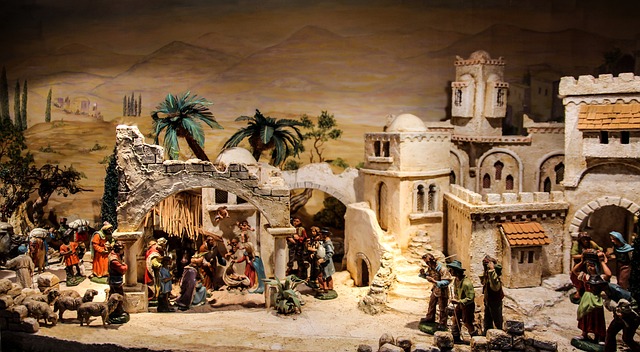
The Neapolitan nativity scene, or O'Presebbio, is not a faithful re-creation of the birth of Jesus. It represents the city of Naples in the 18th century, with an urban setting, mountains, and figures in period dress. It blends spirituality and realism, featuring often poor or deformed characters, each embodying a specific symbol: The Gypsy: she foretells the future and symbolizes the Passion of Christ; Zi'Vicienzo and Zi'Pascale: they represent Carnival and death; Benino: the shepherd who dreams of the manger; The Fisherman: he fishes for souls; Cicci Bacco: a pagan figure derived from the god of wine and revelry. These characters, and many others, enrich this unique nativity scene.
The nativity scene in Peru
Peruvian nativity scenes are distinguished by their vibrant colors. Here, a llama replaces the ox, and a sheep takes the place of the donkey to keep the Baby Jesus warm. The figures are dressed in colorful traditional costumes. The nativity scene is often more important than the Christmas tree. In Amazonian nativity scenes, the figures are sometimes scantily clad, and the Baby Jesus is surrounded by felines.
The African Nativity Scene
In Africa, nativity scenes are often made from local materials: figurines in clay, ebony, or bronze. Jesus is sometimes carved in ivory. Traditional animals, such as the ox and the donkey, are replaced by savanna animals, offering an authentic and local version of the Nativity.
The nursery in Asia
Nativity scenes in Asia were introduced by missionaries. The materials used vary by region, but they are often made of bamboo. The figures with oriental features give these nativity scenes a unique aesthetic.
The nativity scene in Mexico
Introduced in the 16th century by the Spanish, the Mexican nativity scene is distinguished by its local cultural elements: cacti, coconut trees, and figurines eating tortillas. Adam and Eve, as well as the devil, representing good and evil, are sometimes included.
The Russian Nativity Scene
The Russian nativity scene, or Vertep (which means "cave" in Old Slavic), is a two-story cottage. On the ground floor, there is a depiction of the Holy Family, while on the upper floor are satirical scenes or legends related to national heroes.
The nativity scenes of the Villé Valley: a unique journey into the heart of tradition
Discover the Nativity Trail, an enchanting route through the churches of the region.
Saint-Martin Church in Saint-Martin
Here, an impressive fresco measuring 3,50 m by 2,80 m illustrates key moments in the life of Christ: the Flight into Egypt, the Wedding at Cana, and the Battle of Golgotha. The figures in this nativity scene, over a century old, come from a donation by Marie-Anne Naegel (who died in 1871) and have been beautifully restored by a local resident, Mrs. Hulné.
Saint Nicholas Church in Neuve Eglise
In this meticulously restored church, the nativity scene, acquired in 1954, is a hymn to nature. Made with materials from local forests—fir, moss, crushed stone—it depicts 11 figures in a subtly lit wooden stable. Each year, it evolves thanks to the passionate work of the "artisans of the ephemeral."
Saint Anthony Church in Maisonsgoutte
Since 1963, the Saint-Antoine nativity scene has replaced the old plaster one with wooden sculptures created by local sculptor Bernard Ledermann. The nativity scene features the Holy Family, the angel of the Annunciation, shepherds, and sheep, all set within a sumptuous backdrop. The old nativity scene is preserved beneath the bell tower and illuminated so it can be admired from the outside.
Saint Gall Church in Breitenbach
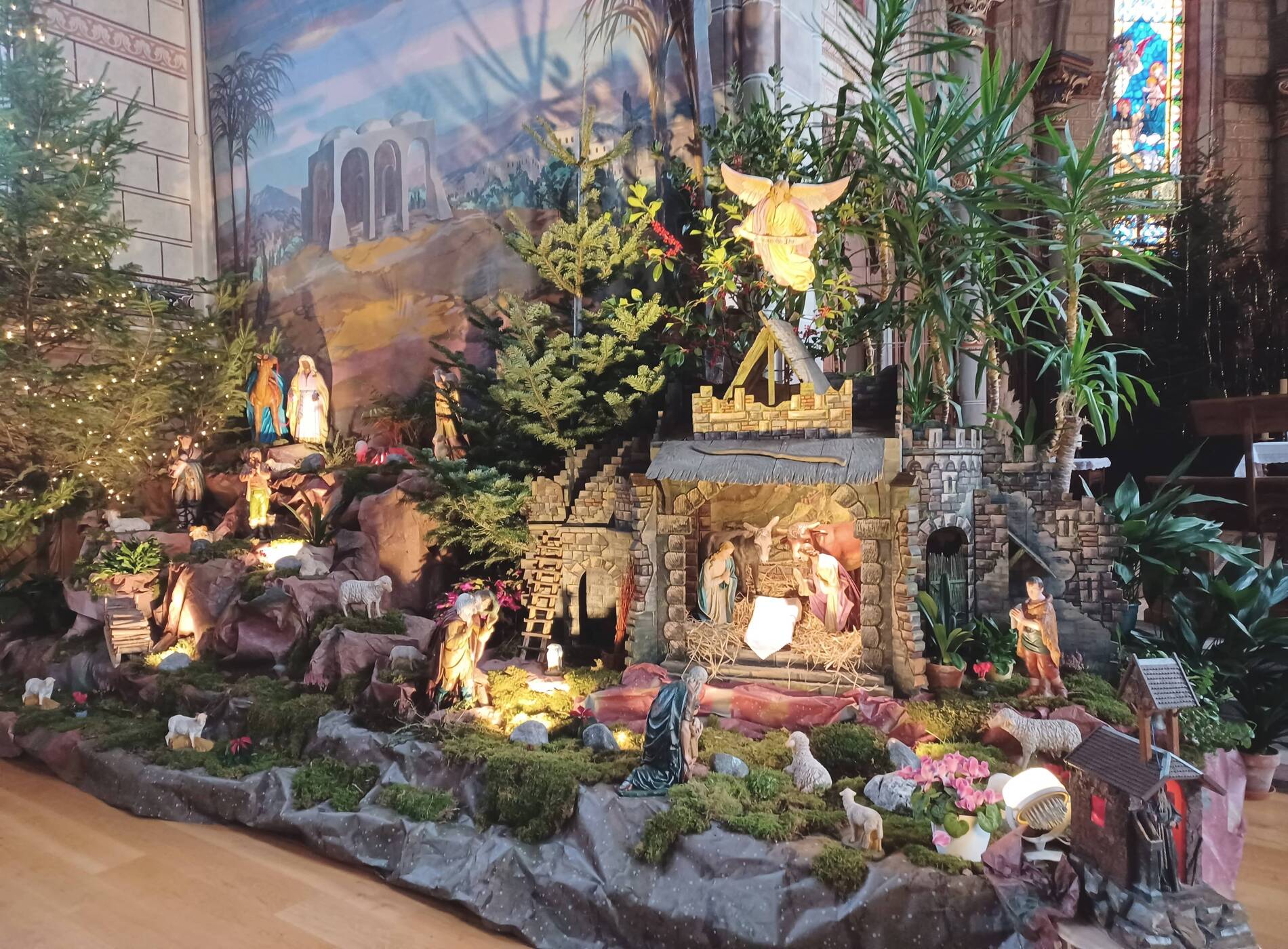
Dating from the 1930s, the nativity scene in St. Gallen is set against a Palestinian backdrop created some twenty years later. Restored in 2018, the statues—Holy Family, shepherds, Magi, and even a camel—are highlighted by fir trees and local vegetation. The entire scene is further enhanced by the expert hands of the parish's flower arrangers and sacristan.