Like all of Alsace, the Villé valley has had a turbulent history since the end of the 19th century due to its division between France and Germany, a consequence of the conflicts of 1870, the First and Second World Wars.
In 1870, Alsace was annexed for the first time by the German Second Reich until the armistice of 1918. A second annexation of Alsace took place under the Third Reich in 1940 until the final liberation in 1944. These successive changes of allegiance profoundly marked the Alsatians, who were also torn between a majority feeling of French identity and a largely Germanizing culture.
The Souvenir Français has set up a memorial circuit of the different key stages in the history of the Villé valley in order to bear witness to its past and to pay tribute to the anonymous victims of man's murderous madness.
This route will allow you to explore the valley, discovering its various villages while experiencing the richness and variety of its landscapes. A look back at the different memorial sites and a glimpse into their history:
The War of 1870
The Franco-Prussian War of 1870 barely affected the Villé valley, apart from the battle of Thanvillé on August 17th of that year. This was a harassment operation, similar to what German troops would later experience firsthand, to the great detriment of the local population.
Neuve Eglise & Thanvillé
In August 1870, French National Guardsmen attacked Baden cavalrymen stationed near Thanvillé Castle, resulting in one death and several injuries. The occupying forces, believing the civilian population had colluded with the National Guardsmen, retaliated with brutal reprisals against the inhabitants of several neighboring villages. Many civilians were sabered or shot, and Thanvillé Castle was looted.
A stele located in Neuve Eglise commemorated this massacre, perpetrated on the night of August 17-18, 1870, and bore the names of most of the victims. The monument was destroyed in June 1940 when the Nazis arrived in the valley. A painting by the artist Touchemolin, kept at the Thanvillé town hall, depicts this event.
First World War
At the beginning of the 20th century , industrial investments began to emerge, and the establishment of these industries (cigar factories, textile workshops, etc.) fostered the valley's economic boom. A certain level of prosperity spread among the population, and community life flourished, but this prosperity was short-lived. The First World War took everyone by surprise and shattered a world still steeped in the customs and traditions of the previous century.
Triembach-au-Val
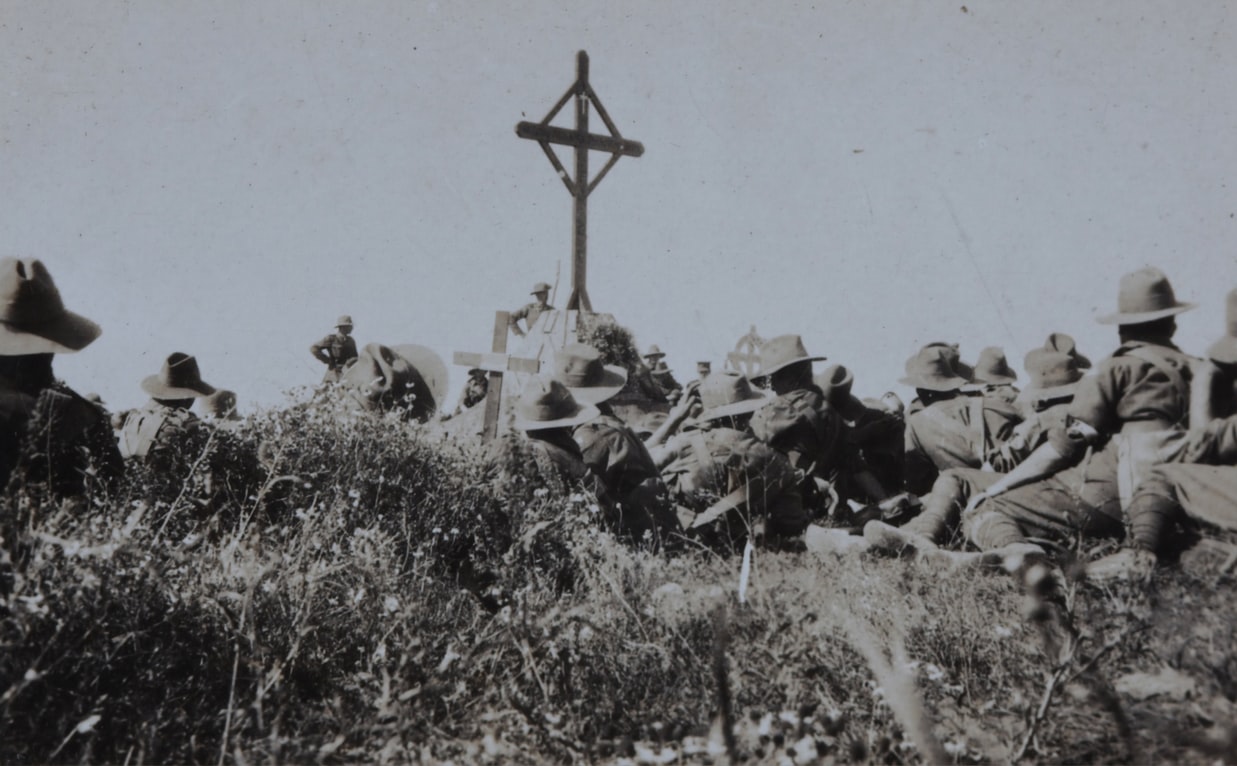
In August 1914, as the First World War was just beginning, the Val de Villé experienced fierce fighting from August 16th to 19th. French troops initially seized the valley before being driven out, retreating to the ridges after deliberately setting fire to Honcourt. The fighting resulted in numerous military casualties, buried in military cemeteries or in mass graves such as the one at Triembach, which held two French soldiers, an officer, and twenty Bavarian soldiers. A monument located behind the church in Triembach-au-Val still commemorates them.
A stele is also present at the Col de la Charbonnière paying tribute to the French soldiers of the 11th Alpine Chasseurs Battalion and the German soldiers of the 14th and 15th Landwehr who fought during these same three deadly days.
Saint Maurice
On the night of August 18-19, 1914, part of the village of Saint-Maurice was set ablaze by German troops who had come under some fire. Thirty-eight of the 71 houses were burned by the Bavarians, who believed the villagers had sided with the French. Two French soldiers, prisoners of war, and four local civilians perished in the bloody repression. The monument erected in memory of the victims was also destroyed by the Nazis in 1940. The victims' graves can be seen in the Saint-Maurice municipal cemetery.
Neubois & Thanvillé
A stele in memory of the soldiers who died on August 18, 1914, was erected in Neubois, signifying the place in the valley where the fighting was fiercest between French and Germans during that bloody night.
The German cemetery at Thanvillé is the final resting place of soldiers who fell during the fighting in August 1914. [A leaflet is available at the Villé Valley Tourist Office for more information.]
A cross paying tribute to the person who negotiated with the Germans so that Thanvillé would not suffer the same fate as Saint-Maurice is located in the center of the village of Thanvillé.
City
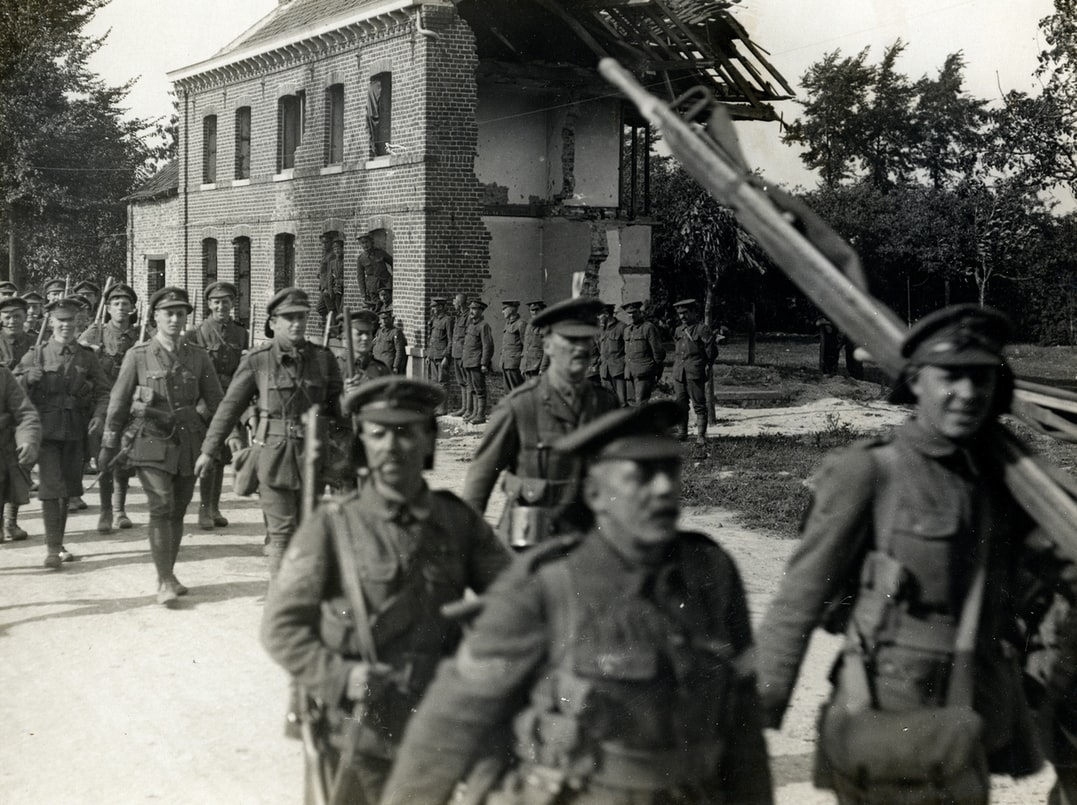
Next to the Villé school, there is a national necropolis (or military cemetery) where Alsatian soldiers forcibly conscripted, as well as Russian and French soldiers who fell during the fighting in the valley, are buried. It is estimated that 294 soldiers from the Villé valley perished during the First World War.
Second World War
Following the 'Phoney War', the Germans crossed the Rhine on June 14 or 15, 1940, forcing the French army to retreat towards the Vosges mountain ridges through the valleys. Clashes took place in the Val de Villé, and Triembach-au-Val was hit by artillery fire. The Nazi dictatorship gradually took hold. A significant number of children fell victim to the Nazi regime, and many would end their short lives in Russian prisoner-of-war camps. Many refused to accept this situation and went underground or joined the Resistance. Throughout the war, the Villé Valley was the site of several escape networks which, thanks to the complicity of local residents and smugglers, transported hundreds of escapees, draft dodgers, and members of the Resistance.

Path of Resistance
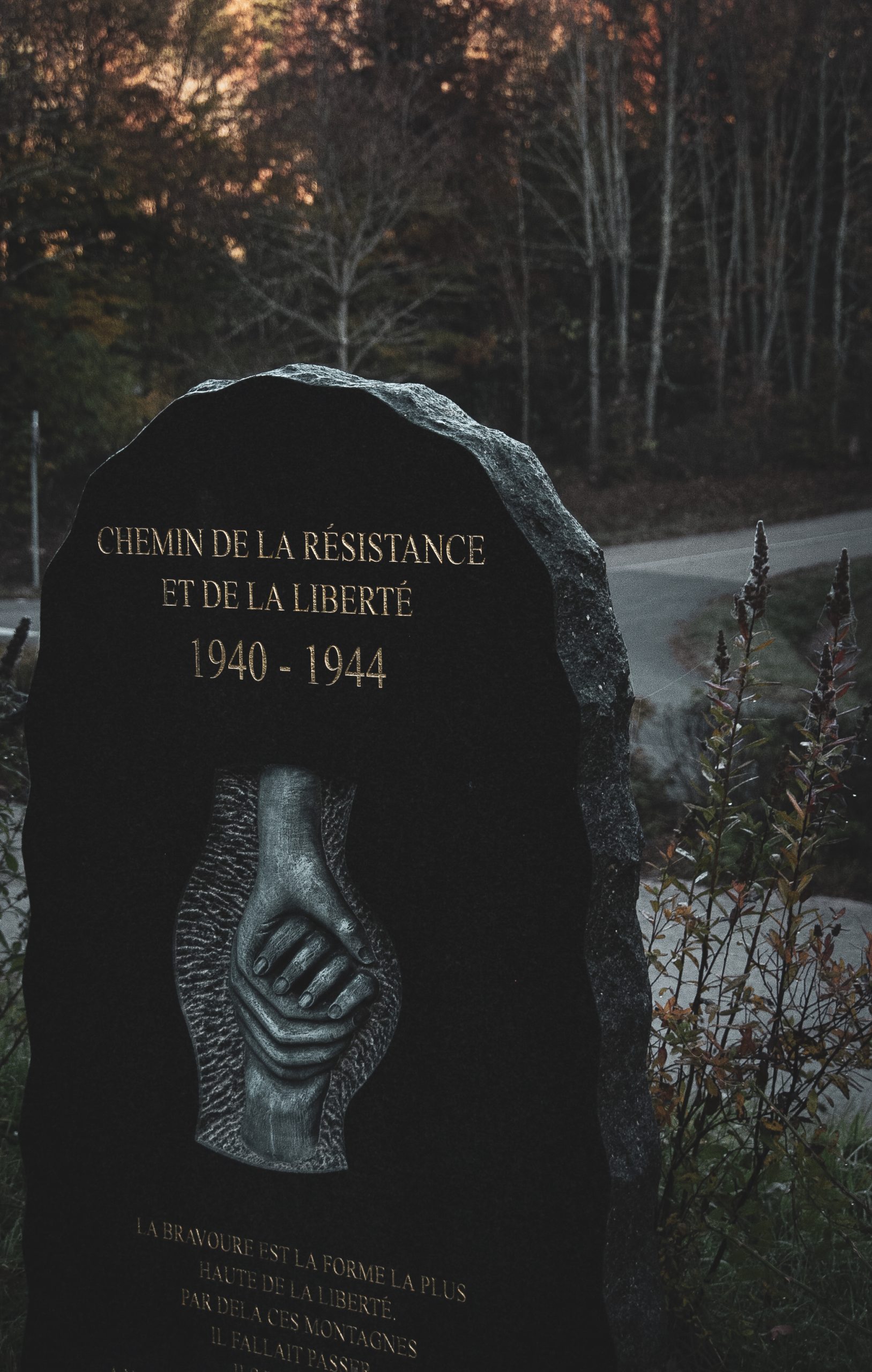
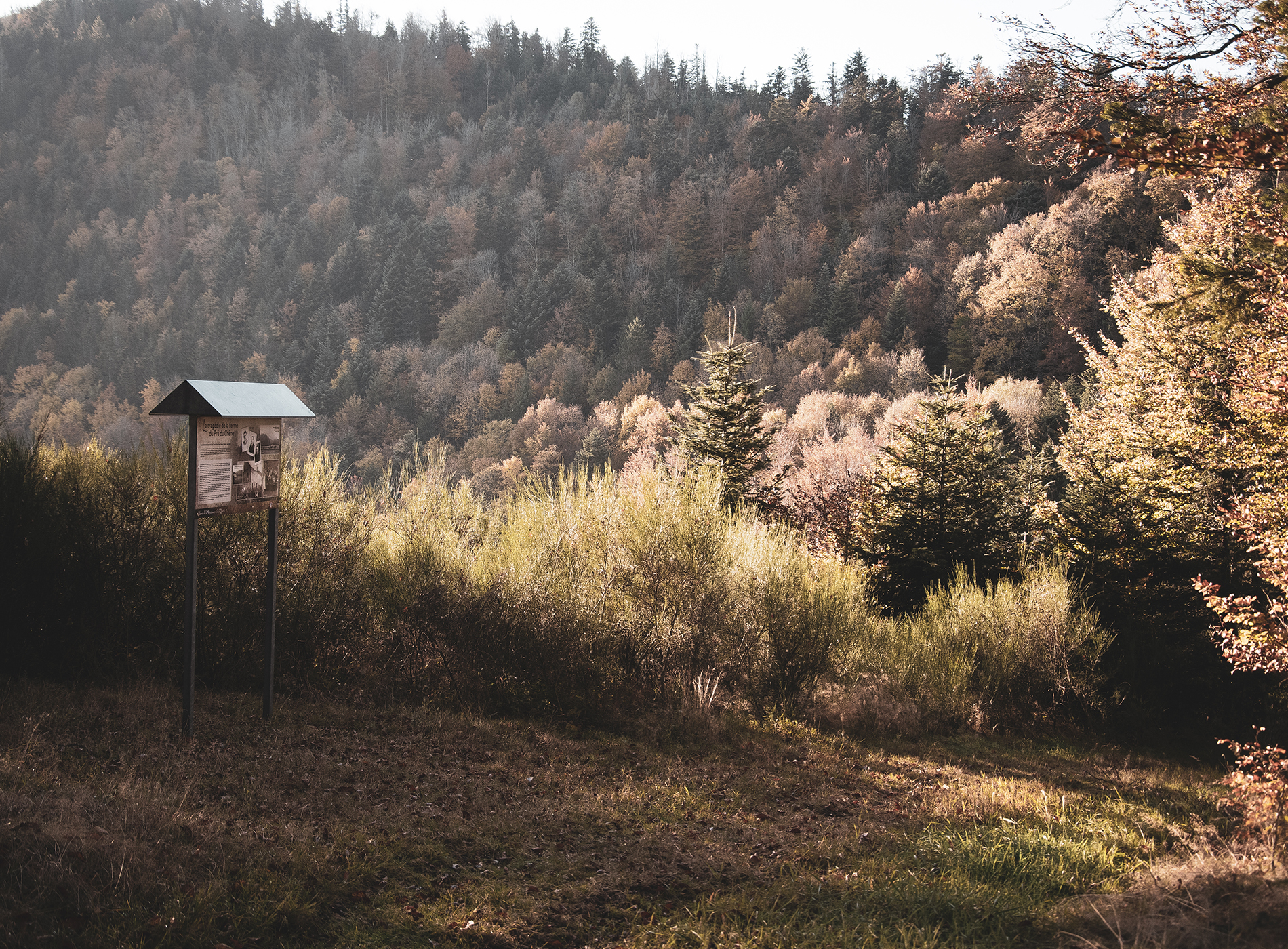
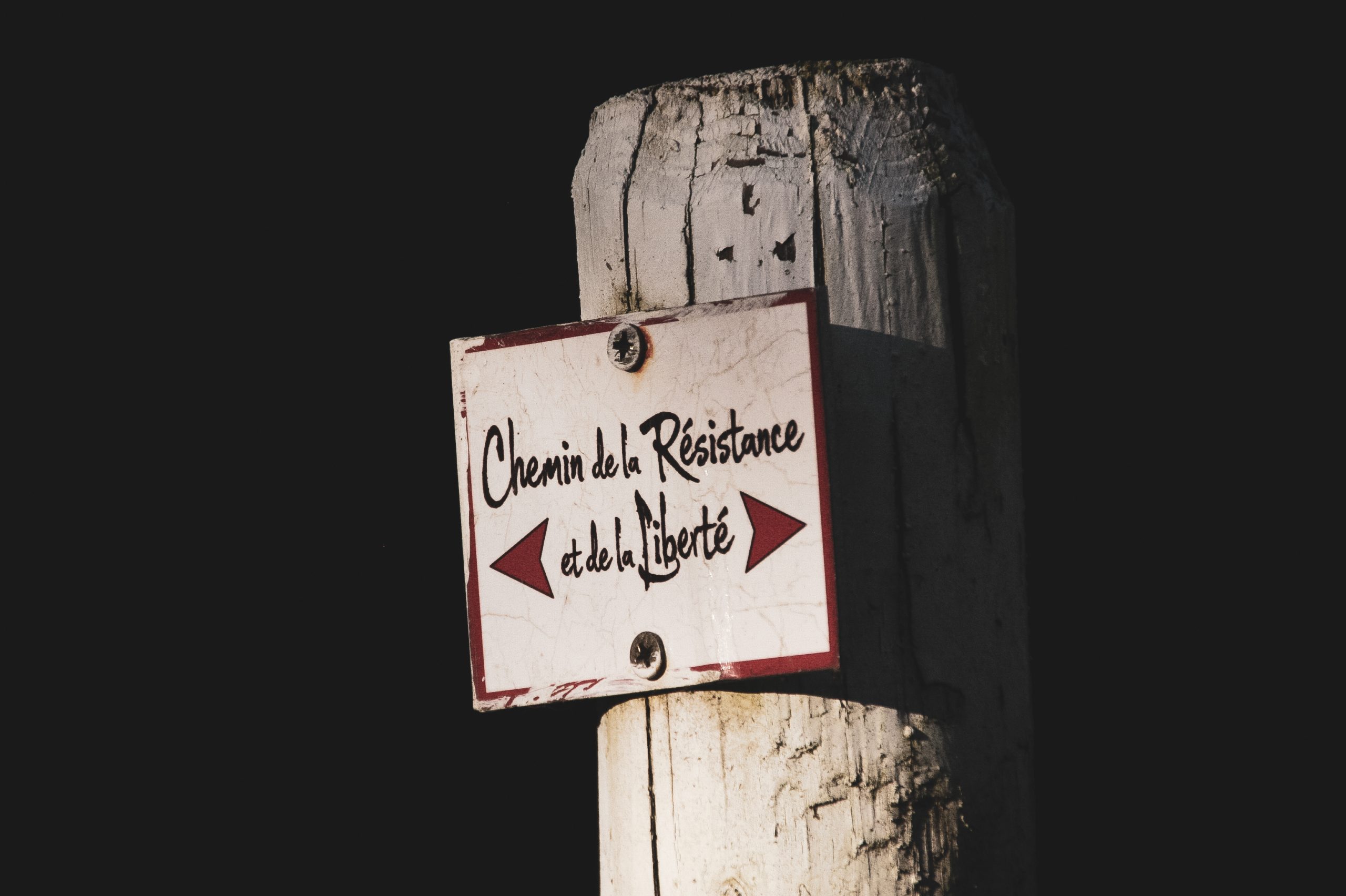
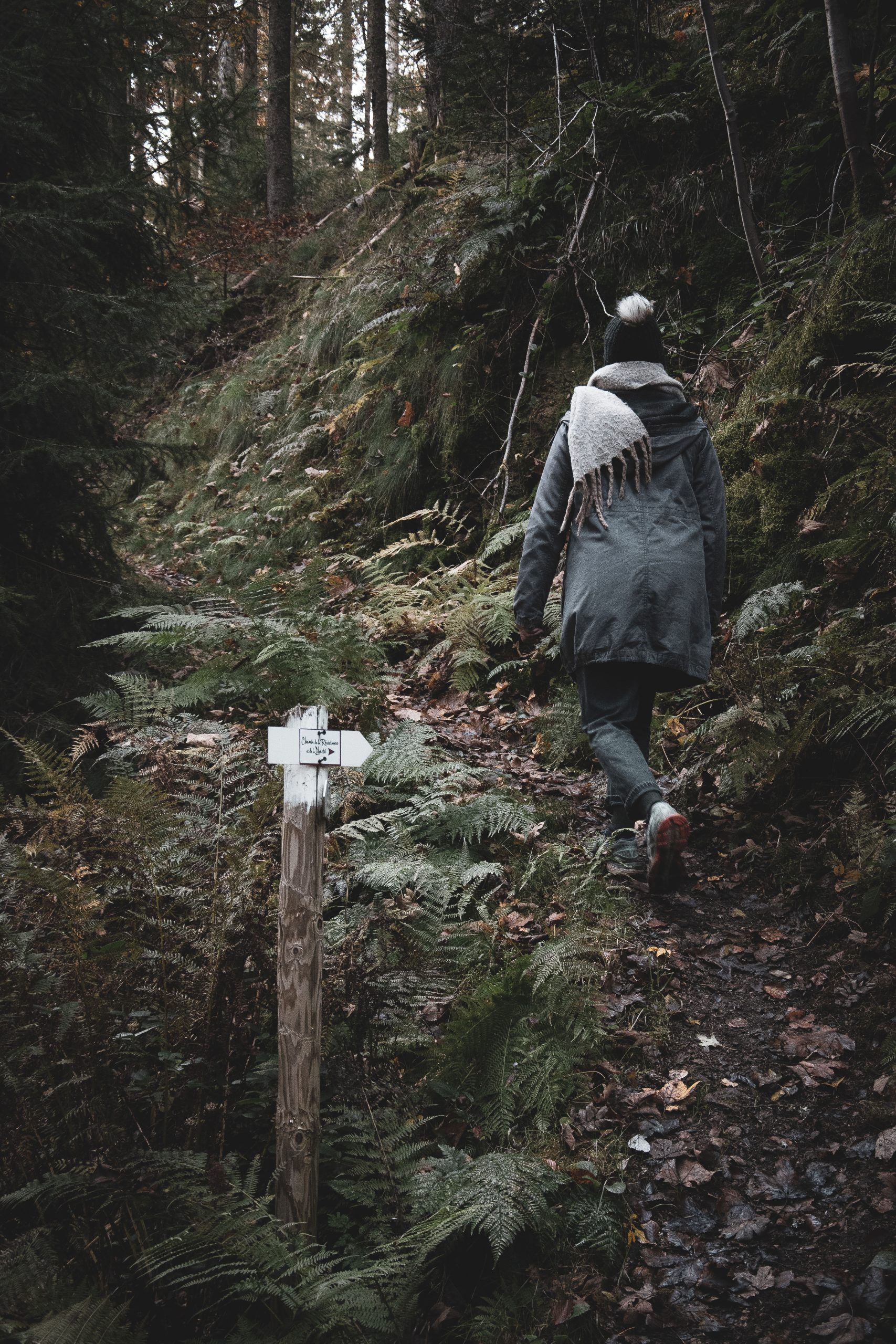
The Resistance and Freedom Trail is a 10km route marked by 12 panels recounting events that took place in the region during the Second World War. Boundary markers dating from the annexation of Alsace/Lorraine to the Second Reich are present along the route, marking the 1870 border between France and Germany, which was maintained exactly during the 1940 annexation. This trail follows the Vosges mountain ridges and summarizes, through various panels, the history of the resistance in the Villé Valley, of our neighbors in Rombach-le-Franc and the Vosges Mountains, and of our American liberators during the Second World War. The trail begins at the Col d'Urbeis or the Col de Noirceux. [Group outings (minimum 10 people) are possible with a guide; reservations can be made through the Villé Valley Tourist Office.]
Sauloch
On March 18, 1944, the US Air Force conducted a bombing raid on various industries in southern France and Germany. More than 700 heavy bombers and a thousand fighter planes were deployed for this mission. In the mid-afternoon, the air force was on its return flight when the bombers were attacked by German fighters. The 55th Fighter Group was engaged in this combat, with Bradford Wickholm piloting one of the aircraft. Brad's plane, hit by gunfire, crashed near the present-day Sauloch restaurant. Brad attempted to bail out by parachuting, but the aircraft was already too low, and his body was found about 100 meters from the impact site. He was buried in the local cemetery before being repatriated to a military cemetery in San Francisco.
latitude
A commemorative plaque has been erected at the war memorial next to the church, honoring Staff Sergeant Marion Weiskopf, who sacrificed his life to save members of his unit and enable the liberation of the Villé Valley. Arriving from the mountains on November 26, 1944, an American battalion led by Sergeant Weiskopf descended towards the village of Breitenau. German soldiers opened fire on them, killing the sergeant before they finally surrendered to the Americans. Villé was liberated that same day.