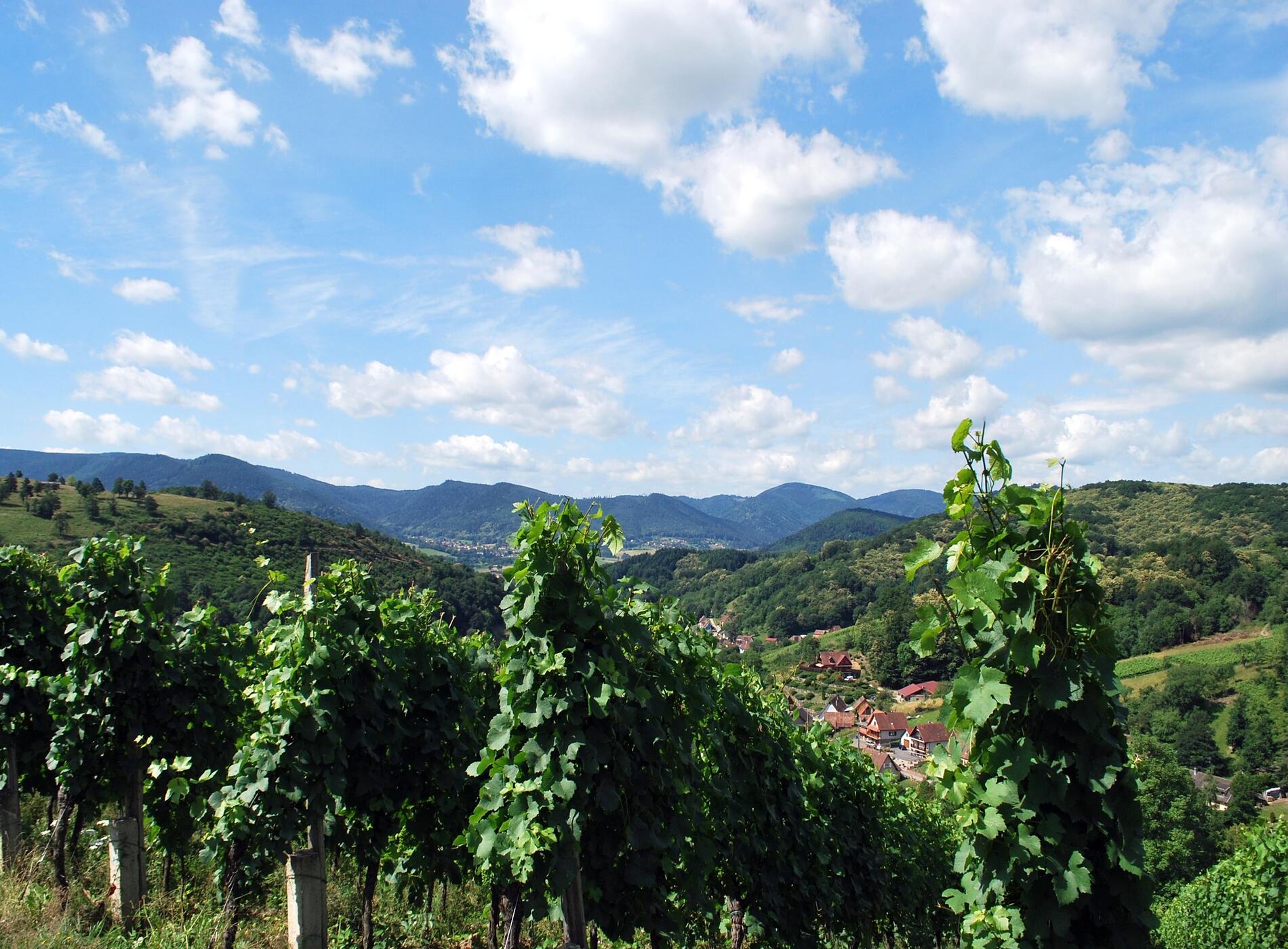
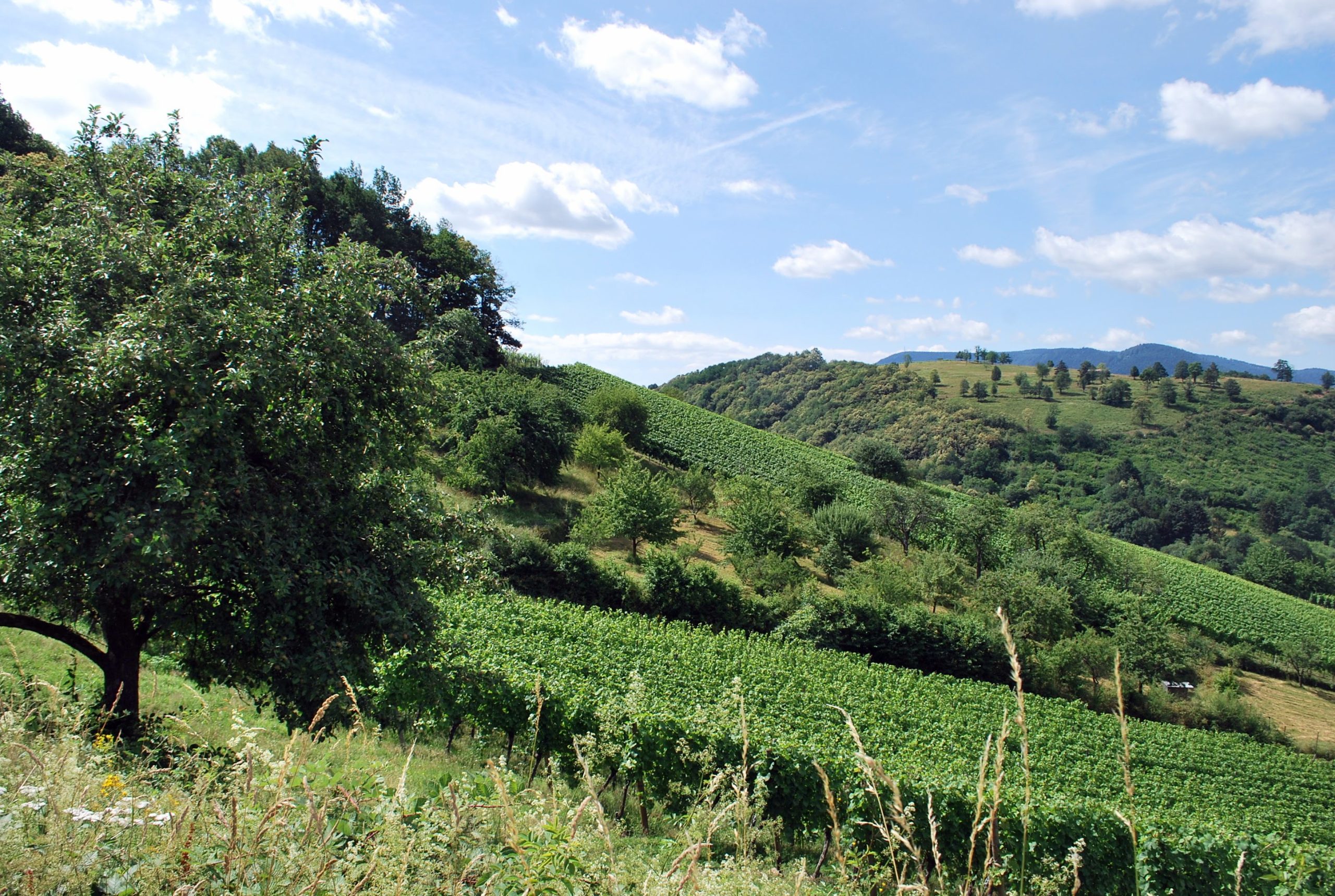
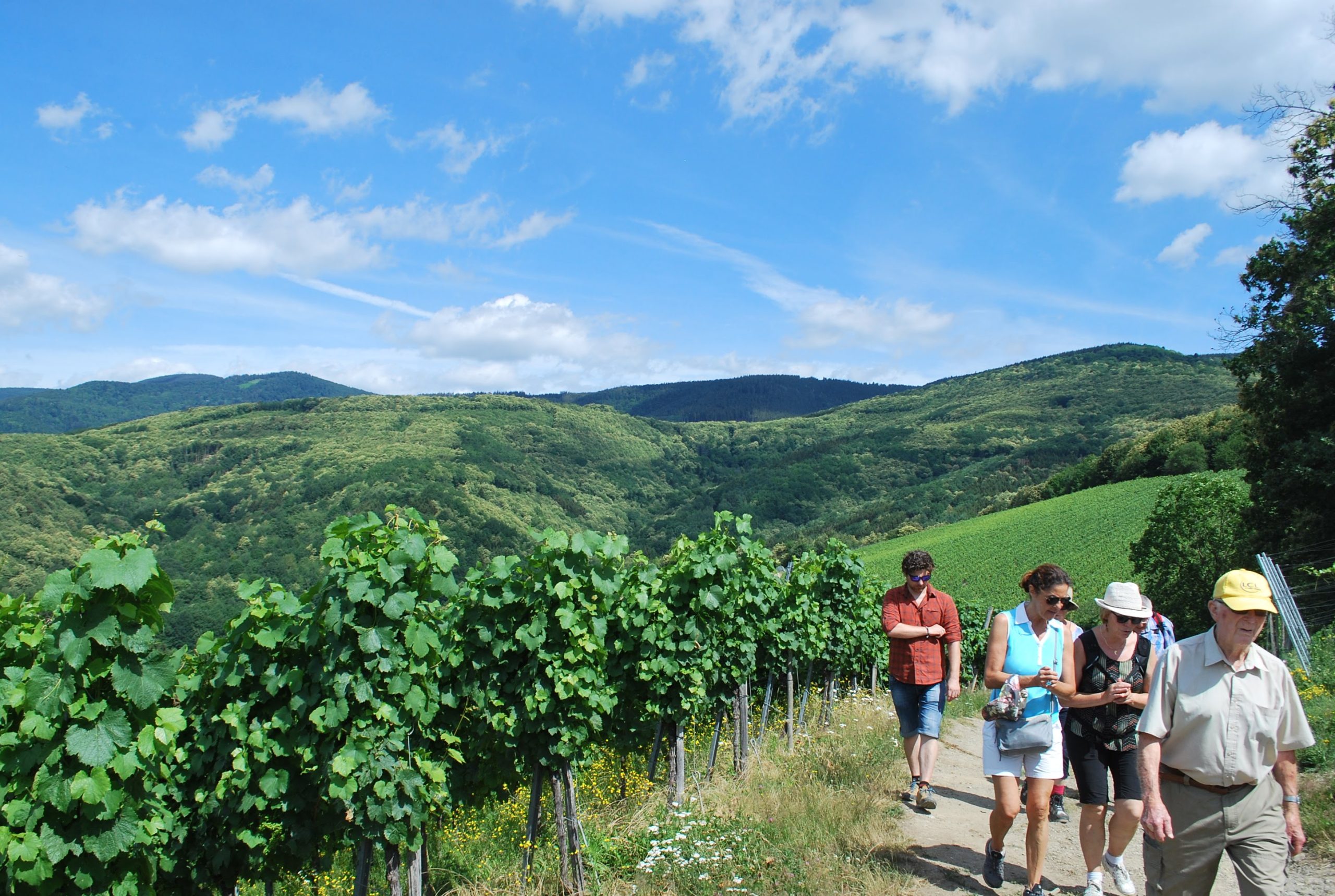
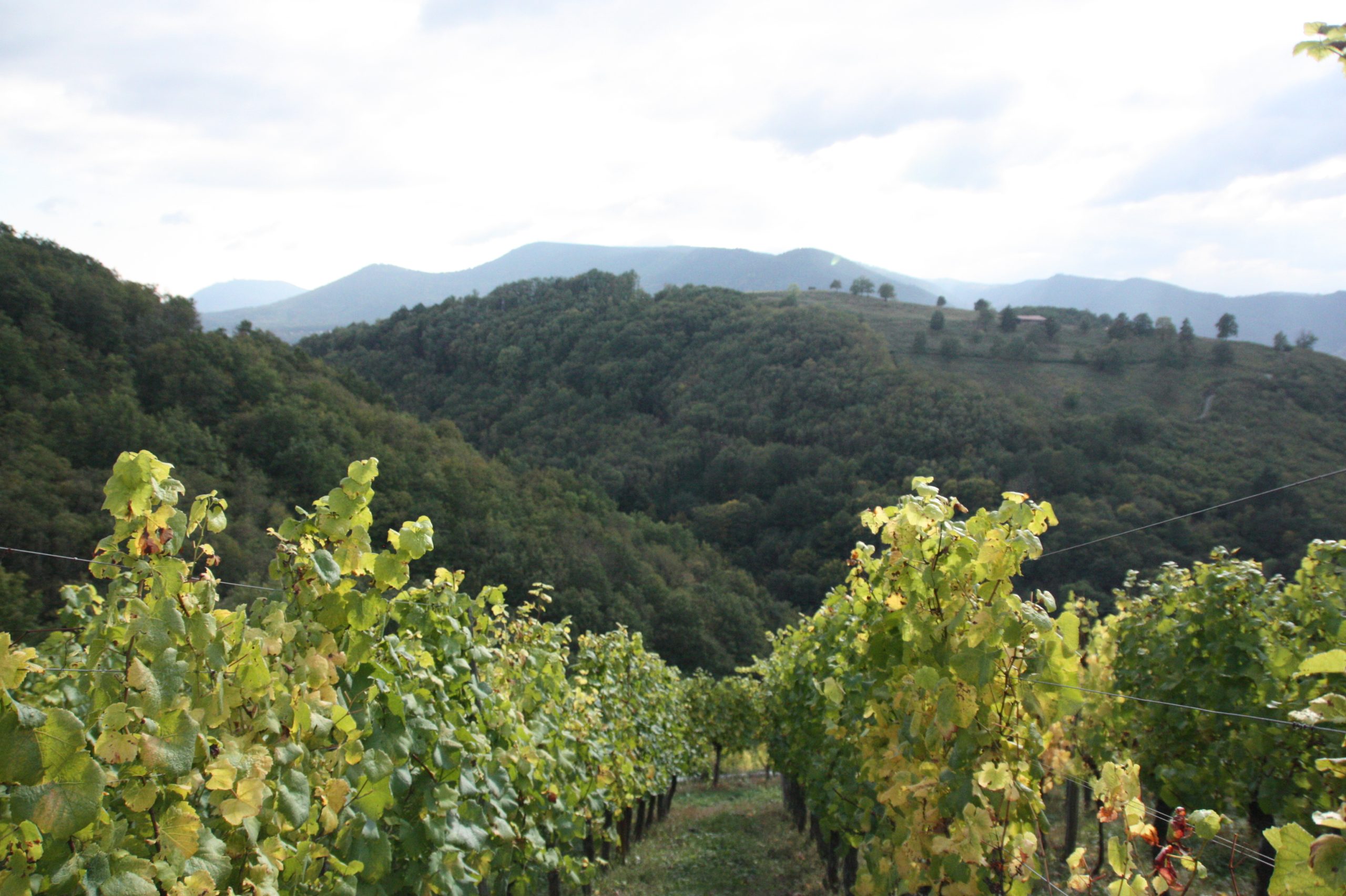
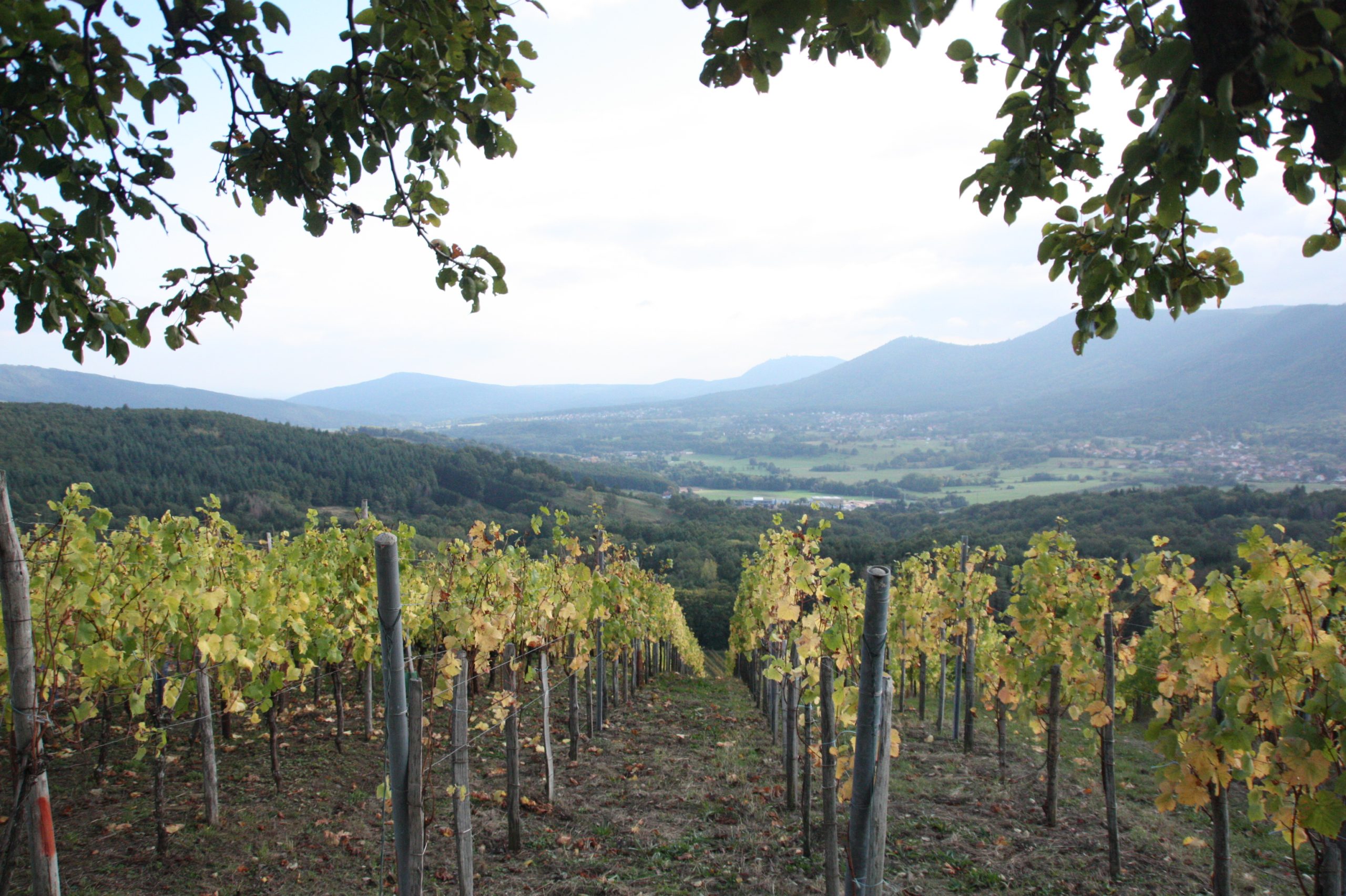
Every year, the end of summer and the beginning of autumn mark a highlight for our winegrowers: the harvest season.
Eagerly awaited, this period demands as much preparation as precision. Behind every glass of wine lies patient work, decisions, and a cultural heritage that stretches back millennia.
A millennial heritage
The cultivation of the vine dates back nearly 9 years. The first traces of winemaking appear around 6000 BC, but it was primarily during the Middle Ages that wine began to resemble what we know today. From the 000th century onwards, professionalization and the pursuit of quality gave rise to the great vineyards.
The term "harvest" comes from Vendémiaire, the first month of the French Republican calendar (September 22 – October 21). For centuries, the start date of the grape harvest has been regulated by the "ban des vendanges" (harvest proclamation). Formerly set by the lords of the manor, this role gradually passed to the public authorities. Even today, each wine-growing region must wait for the prefectural decision before officially beginning the harvest. Once the proclamation is issued, the winegrowers are free to choose the day they deem most suitable.
When do we start harvesting grapes?
It all depends on the climate and the ripeness of the grapes. Depending on the region, the harvest can take place between the end of July and mid-October. Here in Alsace, it generally falls between September and October.
The choice of date is strategic: grapes harvested too early will give a crisp and light wine, while riper grapes will produce a more powerful and tannic wine.
Two maturity levels need to be monitored:
Technological maturity, which relates to sugar, acidity and therefore the future alcohol content.
Phenolic maturity, which relates to the color, tannins and aromas contained in the skin and seeds.
The winemaker must find the right balance between these criteria to determine the ideal day.
Manual or mechanical harvesting?
Two methods still coexist today:
Hand-harvesting: This traditional method involves pickers armed with pruning shears and buckets. The grapes are carefully harvested and transported in crates to the winery. This method best preserves the quality of the bunches and remains essential for certain appellations.
Mechanical harvesting: faster, it uses a vineyard tractor equipped with a vibrating system that detaches the grapes. While this technique allows for covering larger areas in less time, it is less selective.
A moment of life and conviviality
Beyond the technical aspects, the grape harvest is a real highlight in our villages. It brings together families, friends and seasonal workers who come to lend a hand.
Three winemakers to discover in the Villé Valley
The Villé Valley has several passionate estates that perpetuate the art of grape harvesting and showcase our unique terroirs:
Christian Barthel Estate
This family estate, farmed organically, cultivates 14,5 hectares of vines perched between 350 and 500 meters above sea level. Its grey schist terroir imparts a beautiful minerality to the wines. Three generations work together here, blending tradition and innovation.
Domaine Moritz Prado
Founded in 2018, this young estate is the culmination of Ghislain Moritz and Angela Prado's international experience. Their natural winemaking, using indigenous yeasts and various containers (stainless steel, barrels, amphorae), results in distinctive wines. Based in Albé, they offer wines of remarkable originality.
Thomas Klein Estate
Founded in 2015 by a father-son duo, the estate cultivates 9 hectares of vines on schist soils. Driven by their passion for winemaking, the Klein family adopts a sustainable and attentive "post-organic" approach, from vine to cellar. Since 2020, the estate has been certified High Environmental Value (HVE).