
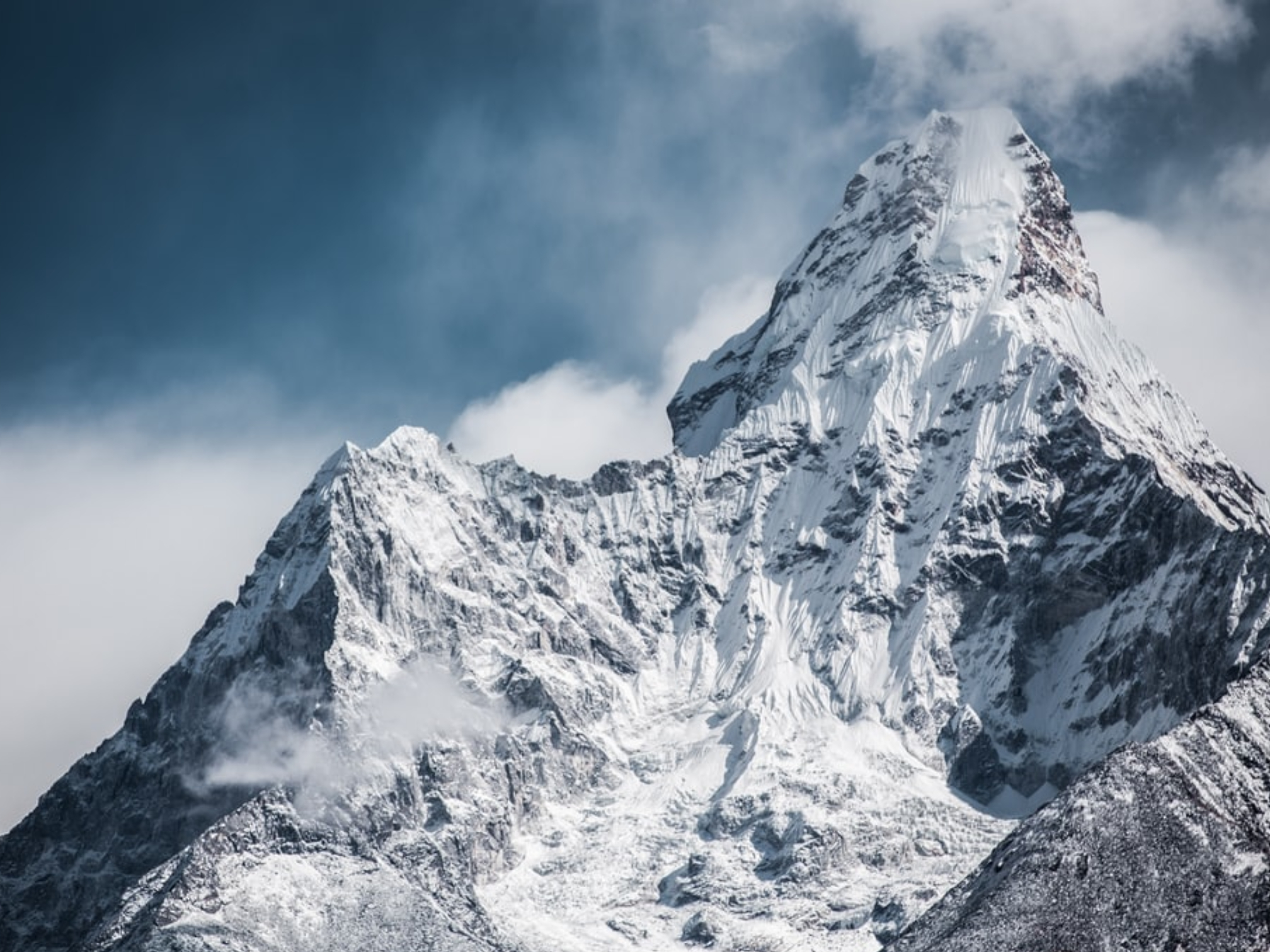
No sporting events, no races or competitions… No problem, it's an opportunity to challenge yourself!
However, some athletes take on challenges that are more difficult than others!
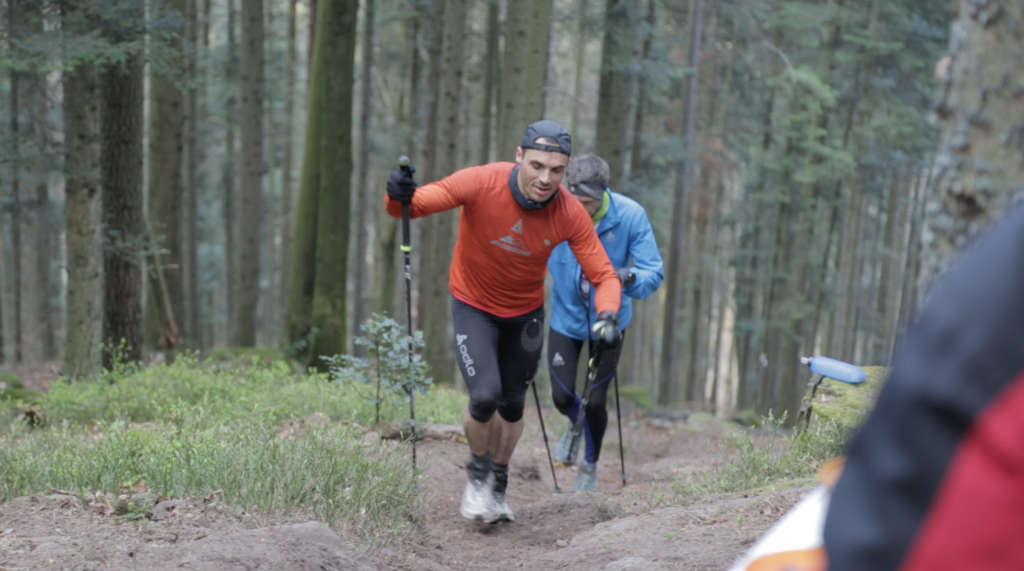
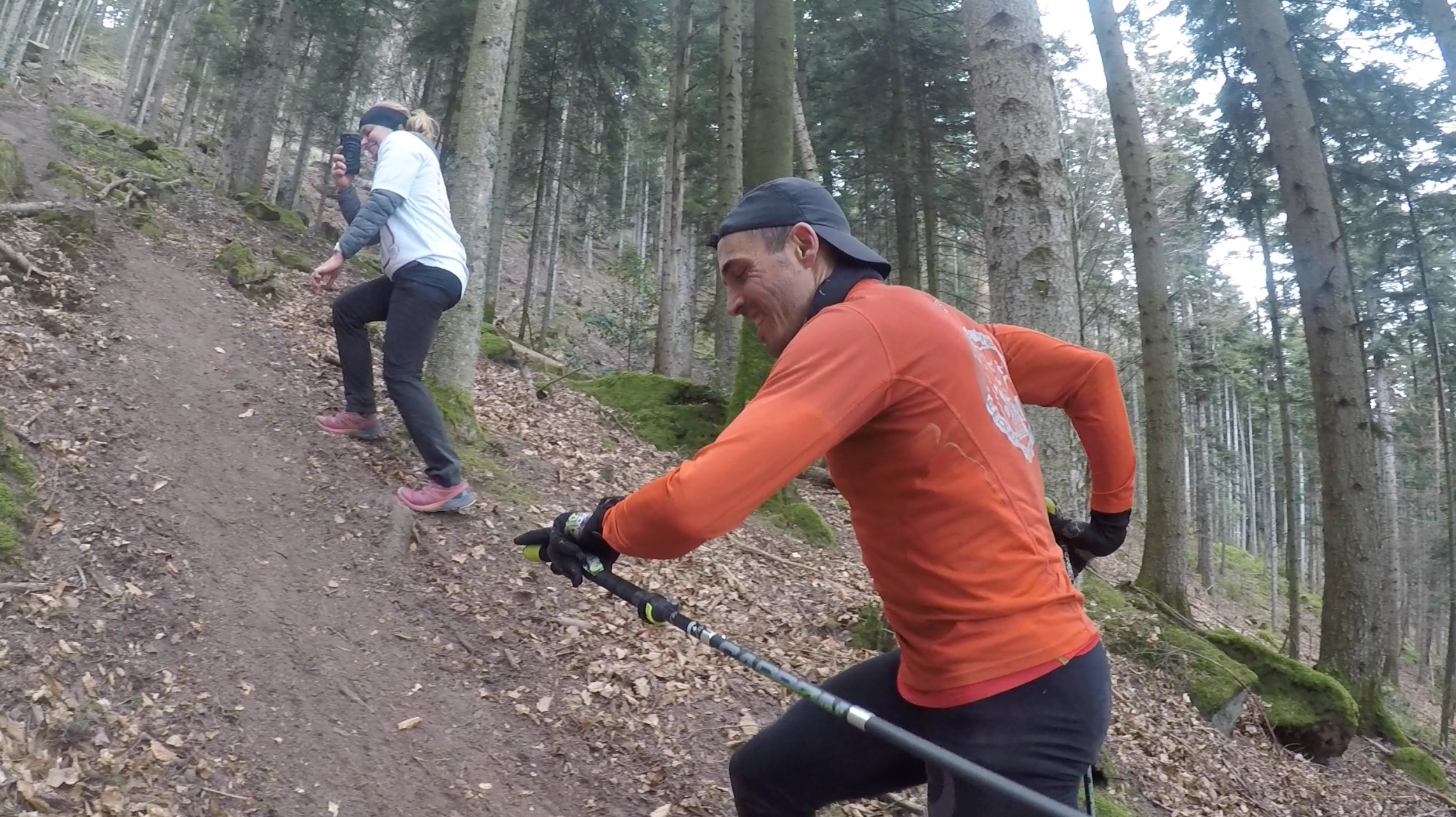
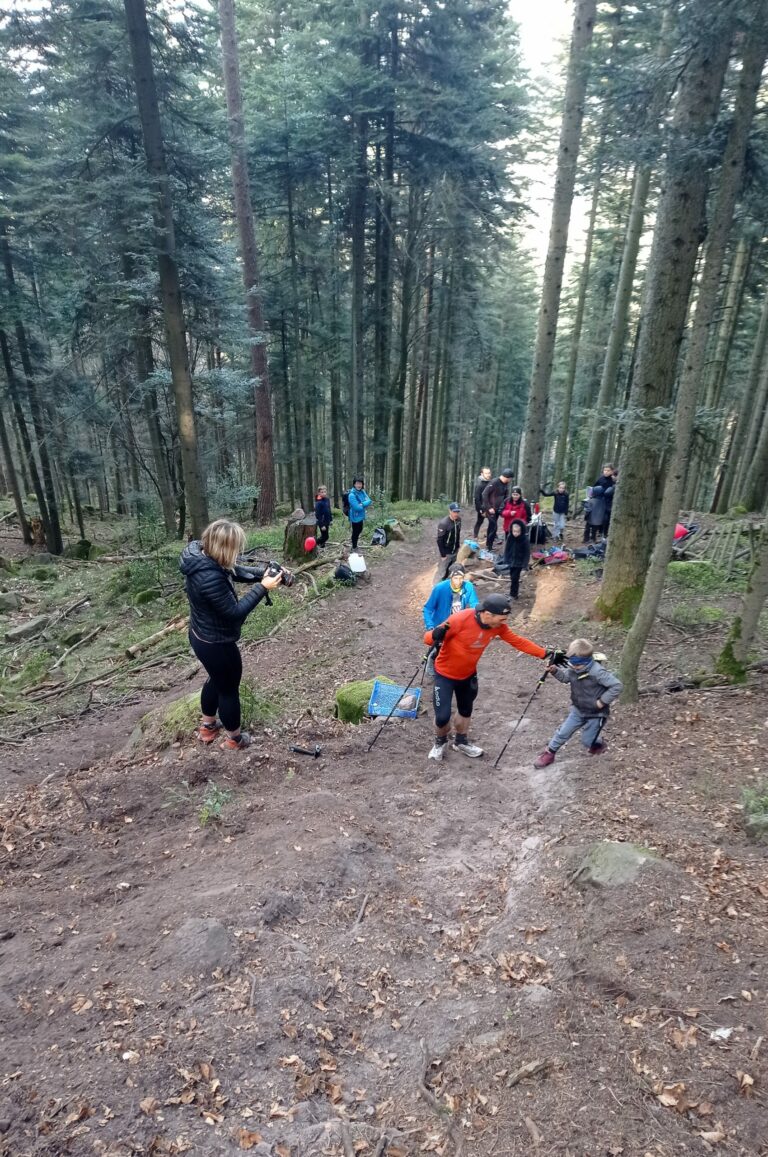
Saturday, April 17, 06:00 a.m., Olivier Comau sets off on an extraordinary adventure: to achieve the equivalent of climbing Everest… In Dieffenbach-au-Val.
For the technical part of the project, Olivier found a 50% slope, 200 meters long and offering a 100-meter elevation gain! It's a very steep climb!
Olivier will therefore have completed 89 round trips to climb the equivalent of the 8848 meters representing Everest. He even surpassed them since the final positive elevation gain is 9050 meters in just over 12 hours.
Olivier certainly had the sporting challenge as his motivation, but not only that.
This self-improvement was also motivated by the boost it gave to the "Petit cœur de beurre" association.
This association raises funds for research on the
Hello Olivier.
Can you introduce yourself briefly to our readers who don't know you yet?
I am a PE teacher and sports coach (www.oli-coaching.com), married to Hélène with whom I share my passion for trail running, father of 3 children (Arthur 14 years old, Mathilde 12 years old and Amélie 5 years old). I live in Dieffenbach-au-val, which allows me to quickly get to the mountains to find varied terrain for training.
Turning 43 this year, I have a long history as a gymnast (20 years at a high level), then I did some cycling, notably with La Steigeoise, before moving on to climbing and finally finding fulfillment in running over the last ten years or so. I'm quite versatile in the sport (5k, 10k, half marathon, marathon, mountain running, vertical kilometer, run & bike, etc.), but where I get the most enjoyment is in trail running, especially ultras, which I love for the challenge, the journeys (on the map, to the peaks, and in my own mind), and the entire preparation phase.
I love to train! My major trail races are: CCC (Courmayer-Champex-Chamonix), TDS (Acronym for "Sur les Traces des Ducs de Savoie"), UTMB (Ultra Trail du Mont Blanc), PTL (Petite trotte à Léon – 300 km !!!), X-Alpine, Echappée Belle, UT4M.
(If you would like information about these races, you can take a look at
https://utmbmontblanc.com/fr/home)
In March you accumulated 58.000m of positive elevation gain in trail running (the average person doesn't even do half that in a whole year). Why did you do that?
Indeed, for me, a normal month is 10 to 16.000 meters… but with the absence of official competitions, I signed up for the Sélestat Bernina outdoor store challenge, where the goal was to accumulate the most elevation gain during the month. I wanted to have a big month; I was on school holidays, and other ultra-running specialists or local runners (Laurent Rohmer and Frederic Heckmann) were racking up impressive numbers. I played along, and on each outing, I came back with 2000 to 3000 meters of elevation gain in the same area. The challenge was to find a steep slope that would allow me to quickly accumulate elevation gain.
86 hours of training in the month… I had never done so much! And almost all of it on steep terrain; I came out of it feeling like I didn't know how to run anymore.
On April 17th you distinguished yourself as one of the athletes successfully completing the Everesting "hall of fame" challenge (https://everesting.cc/).
Can you tell us a little bit about this challenge?
I love challenges and training, we were in the middle of a curfew-type lockdown. Some challengers had spent all of Saturday or Sunday going back and forth in their preferred area, I hadn't exceeded 4 or 5 hours of effort but I wondered how I would be able to do during the 12 and then 13 hours of curfew.
Moreover, with the cancellations of early season races multiplying, I still wanted to do a big outing during this period to compensate for the absence of early season trail running.
At the beginning of April, I took a complete 5-day rest period and gently resumed my runs, going back to test my performance on steep slopes with my poles. My fitness was there, as expected. With the holidays approaching, and calculations based on split times (which factored in deceleration), I estimated I could – barring any major errors – surpass the 8000m mark, and if all went well, I could aim for Everest's 8848m summit.
Physically, I had a performance window of about 10 days. I let my closest friends know if they were in and hoped for their support. I waited for the right day for the weather and off I went!
A little over 12 hours of effort to get into the Everesting.cc "hall of Fame" list.
The criteria are selective since all the elevation gain must be done on the same segment. So far, on foot, there are 7 of us French who have completed this challenge, and I'm the fastest.
Doing it in the same place is the most thankless of criteria, but being confined to my radius it was ultimately an opportunity.
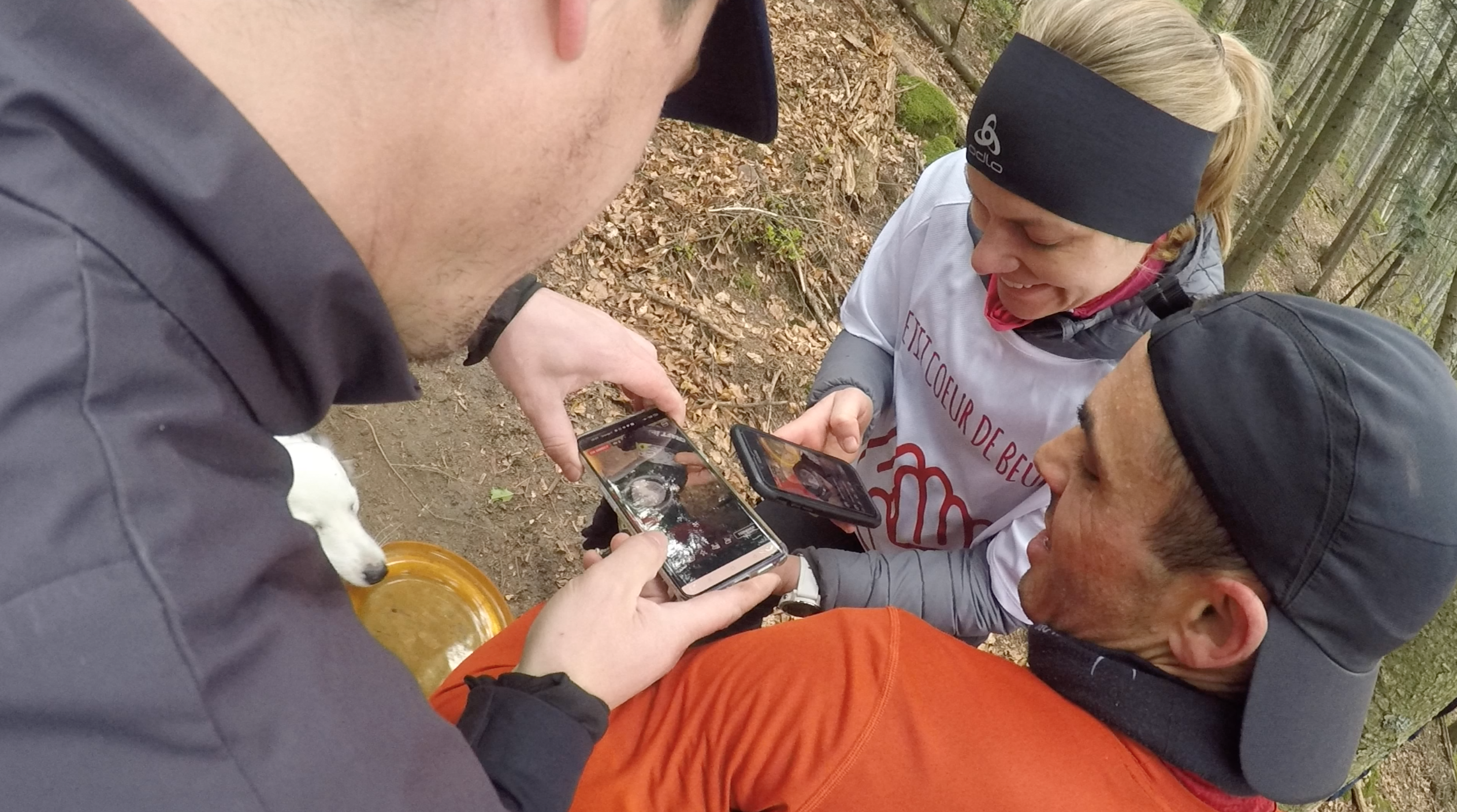
A sporting project is an excellent way to highlight this type of association. While my Everest project was a significant sporting achievement, it pales in comparison to the daily struggles faced by some families.
Associating my calves with Augustin's smile seemed like the obvious thing to do!
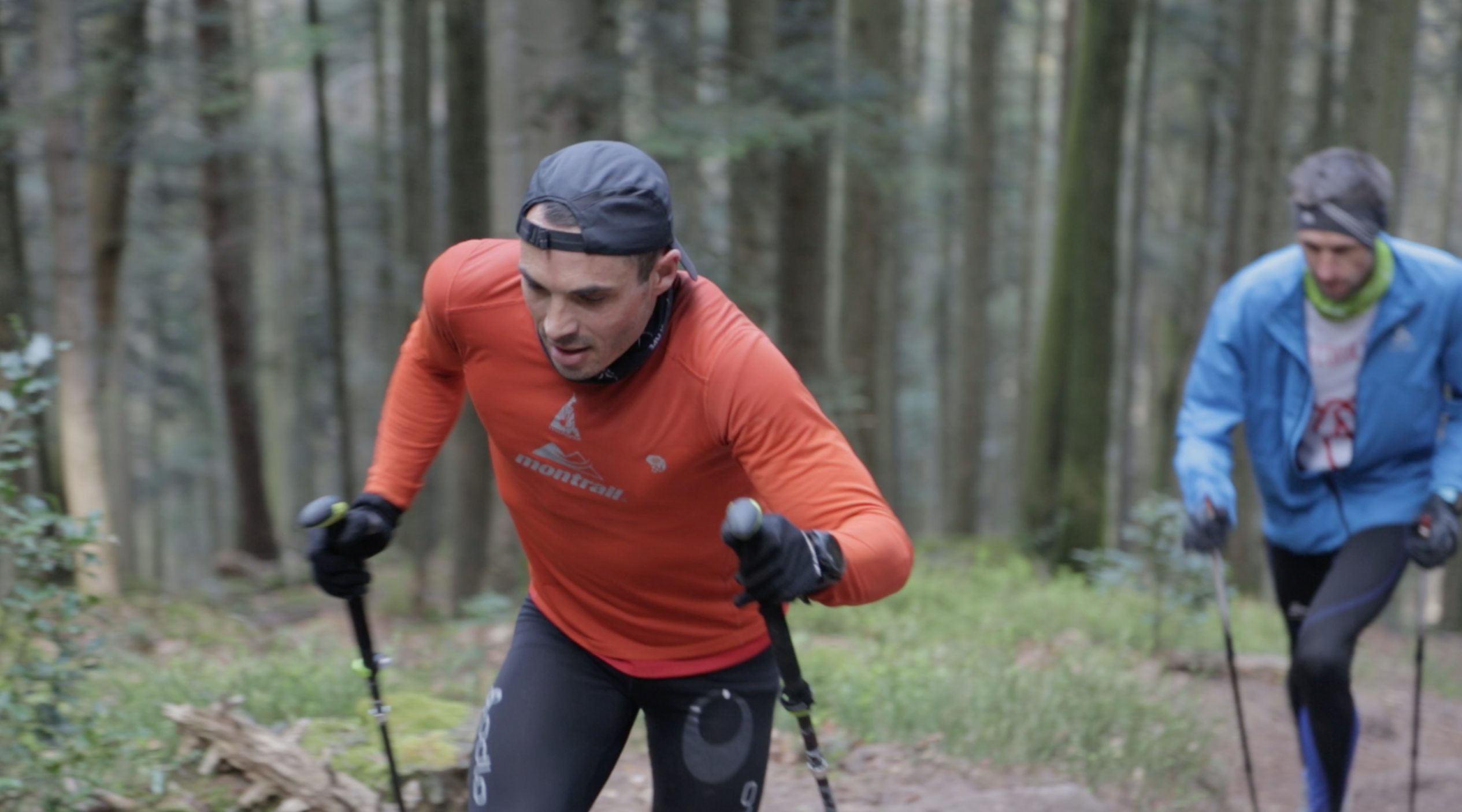
To give you a technical explanation, so people understand what we're talking about, you ran for 12 hours on a 200-meter-long track with a 100-meter elevation change. In short, you ran the entire time on a 51% incline!
How do you prepare for this type of effort and how did your body react?
The question that many people are surely asking is, why did you do that?
I mostly walked… the slope is too steep to run… or maybe only once or twice at my level!
I walked uphill with my poles to do the climb in about 5 minutes (i.e. 1200m/h) and I jogged downhill in 2 minutes 20 seconds (i.e. 2500m/h).
For the preparation I continued my standard planning at the beginning of March with threshold and VMA (Maximum Aerobic Speed) sessions on the slope, the last 15 days of March I was more in endurance mode and long outing but every day.
My body's reaction... I always felt fine during the exertion, but the night right after the climb was terrible. I started with three 1.5-hour naps, woken up by pain in my quadriceps. The next day and the day after that, I had some muscle soreness. I then spent a week with two bike rides with friends and just one run, and then I was able to resume my usual training... but I haven't gone back to the scene of the crime yet!
Why ?
To see, to know, to touch, to push my limits. To discover and experience the human body's adaptations to exertion! Physically and psychologically, I have always loved challenges and preparing for them.
I understand that you are proposing that interested people come and see for themselves on May 22nd in Dieffenbach, on the segment where you raced.
Can you explain this project to us a little, and especially tell us how it will unfold in light of the regulations related to Covid?
Yes, from the start I wanted to share this moment. I believe that sport fosters connection, and the mountains offer an inexhaustible source of stories to experience. Covid prevented us from sharing it live, but with the friends who followed me, some friends from Dieffenbach and neighboring villages, we wanted to showcase the spot and also spend time with people who might be interested in discovering the area and the activity. For more experienced climbers looking to test themselves on a vertical gain (1000m? 1 hour?), it's a particularly suitable place. For those who would like a lesson on using poles, I'll be the coach!
May 22nd was chosen because outdoor gatherings will once again be permitted, so let's take advantage – while respecting social distancing guidelines – of this return to a more social life. We are currently working with Brasserie Guth, among others, to create a small space for post-workout refreshments.
During your performance on April 17th, there was a collection to support research into congenital heart disease. The charity "Petit Cœur de Beurre" was highlighted. We'll ask Marguerite a few questions, but could you tell us a little about your involvement and interest in this charity?
Our daughter Amélie is a school friend of Augustin, who is the son of Marguerite and Jérémie, who have become close friends in the village. Having become involved in local associations, I quickly realized the operational difficulties they faced during the COVID period.
A sporting project is an excellent way to highlight this type of association. While my Everest project was a significant sporting achievement, it pales in comparison to the daily struggles faced by some families.
Associating my calves with Augustin's smile seemed like the obvious thing to do!
Olivier, what is your next project?
I will continue to share sporting moments with some friends, my coaches and a lot with my wife, I will train in secret and push myself to the limit in the Dieffenbach forest with the goal of a trail race in Val d'Isère in July, the ascent of Mont Blanc with my wife in Les Houches-Mont Blanc-Les Houches mode on foot in August and I will team up with Michael Ulrich de Fouchy at the Grand Trail de Serre Poncon in September (170km, 11000d+) before following up if possible with the Trail des Aiguilles Rouges (50, 4000d+) with Hélène.
Are you preparing for a new, slightly crazy challenge, or are you planning more "classic" races that are still just as crazy?
I still have many projects in mind, health restrictions or freedoms will guide me towards one or the other with always the same final objective: to live sporting healthily with others in 20 years.
You're a coach! Who can contact you and use your skills?
Yes, I'm a coach… a schedule and session planner. I've been doing "remote" coaching (it's all the rage right now) since January 1, 2011! The idea is to provide personalized content to people who tell me their availability, their experiences, and their goals.
I don't see people in person; everything is done via email and phone. I monitor their heart rate and adapt the sessions according to their physiological adjustments to ensure they are ready for the big day of their project.
Information on the website www.oli-coaching.com
ou https://www.facebook.com/search/top?q=oli-coaching.com
or by phone at 0663732852.
Olivier, we will now give the floor to Marguerite, but before that we wanted to congratulate you on what you have accomplished and we also wanted to thank you for the time you have given us!
Best of luck to you and see you very soon.
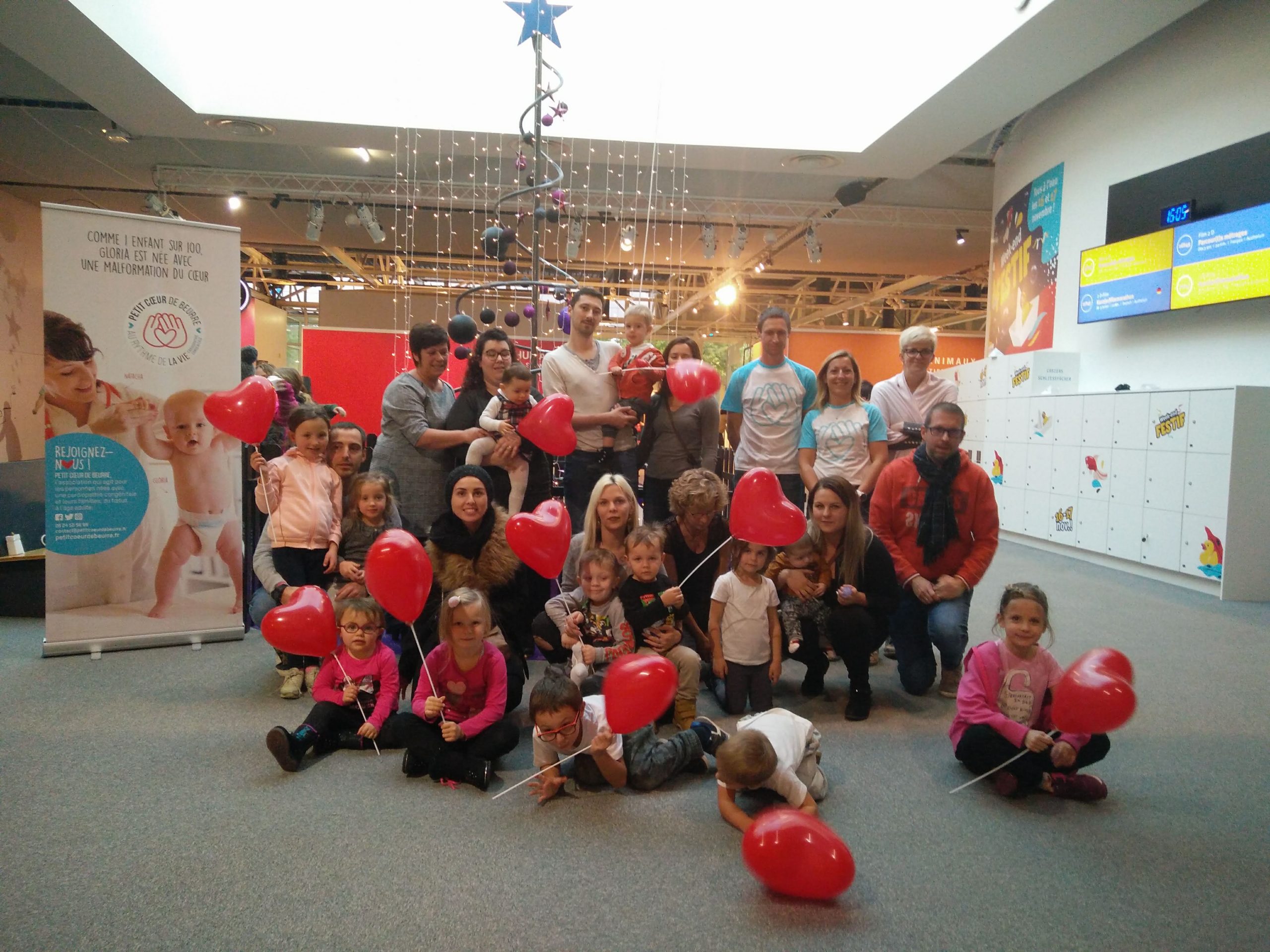
Little Butter Heart
Hello Marguerite,
Could you introduce yourself?
Hello, my name is Marguerite, I live in Dieffenbach au val and I am a volunteer correspondent for the Petit Cœur de Beurre association in Alsace.
We are meeting with you today to discover the Petit Cœur de Beurre Association.
Can you introduce her to us?
Petit Cœur de Beurre was created thanks to parents determined to do more for their child and to take the fight against heart disease head-on. Indeed, 1 in 100 children is born with congenital heart disease, meaning a heart defect.
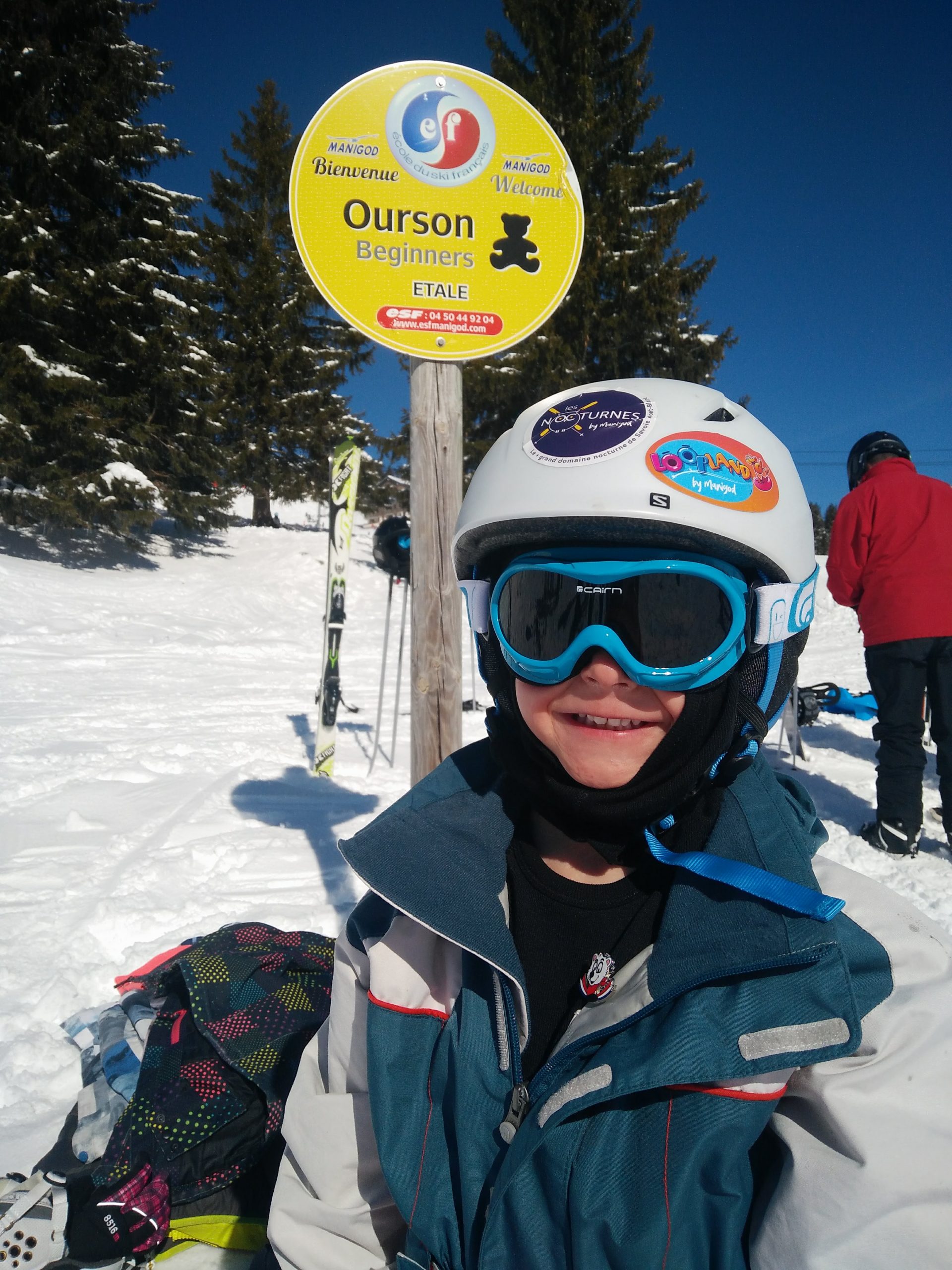
I am myself the mother of a little Augustin born in 2015 and operated on at 12 days old with an open heart at the Hautepierre University Hospital, without this operation which lasted 7 hours he would not be here today.
Petit Coeur de Beurre helps research on congenital heart disease.
Can you explain what this is?
Congenital heart defects are heart malformations caused by an abnormality during heart formation in the first few weeks of intrauterine life. In most cases, the cause of these malformations is unknown. Diagnosis is often made before birth or during the first few weeks of life.
Petit Cœur de Beurre helps children but also adults.
What are the funds raised used for?
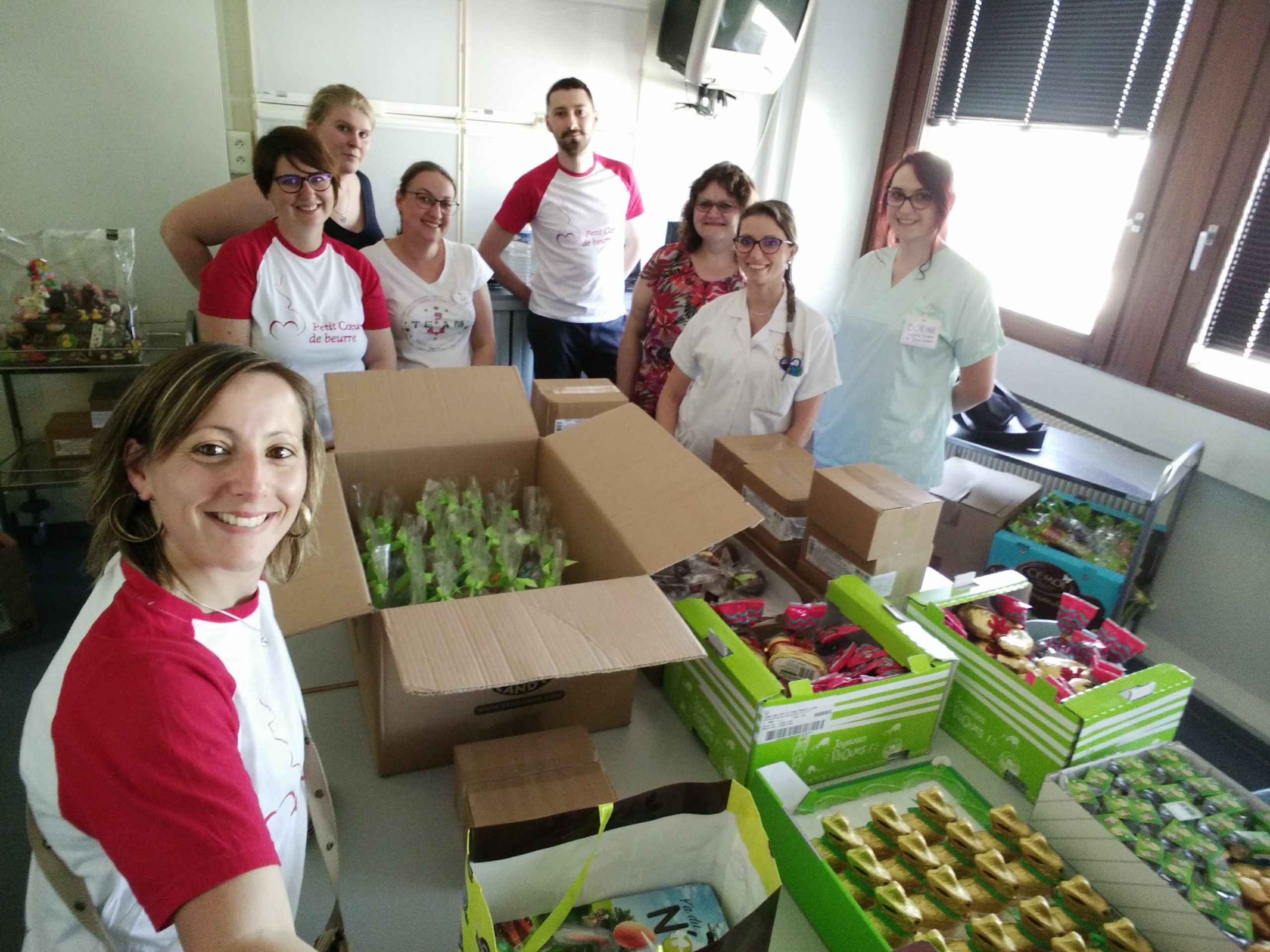
The Petit Cœur de Beurre association works primarily to provide moral and material support to people with congenital heart disease. Petit Cœur de Beurre intervenes directly within pediatric cardiology departments to improve the daily lives of hospitalized children. Our mission is, of course, to make the daily lives of patients and their families more pleasant.
• by creating a link between patient / family / caregiver (gourmet workshops: galettes, chocolates, socio-aesthetic or well-being workshops…)
• by offering an enchanting interlude (cultural workshops, gift distribution, event entertainment, etc.)
• by funding equipment for patients and their families as well as caregivers (companion beds, digital tablets, renovation of parents' room, 3D printer, pens with flashlights, etc.)
Our ambition is also to fund medical and genetic research to better understand certain malformations.
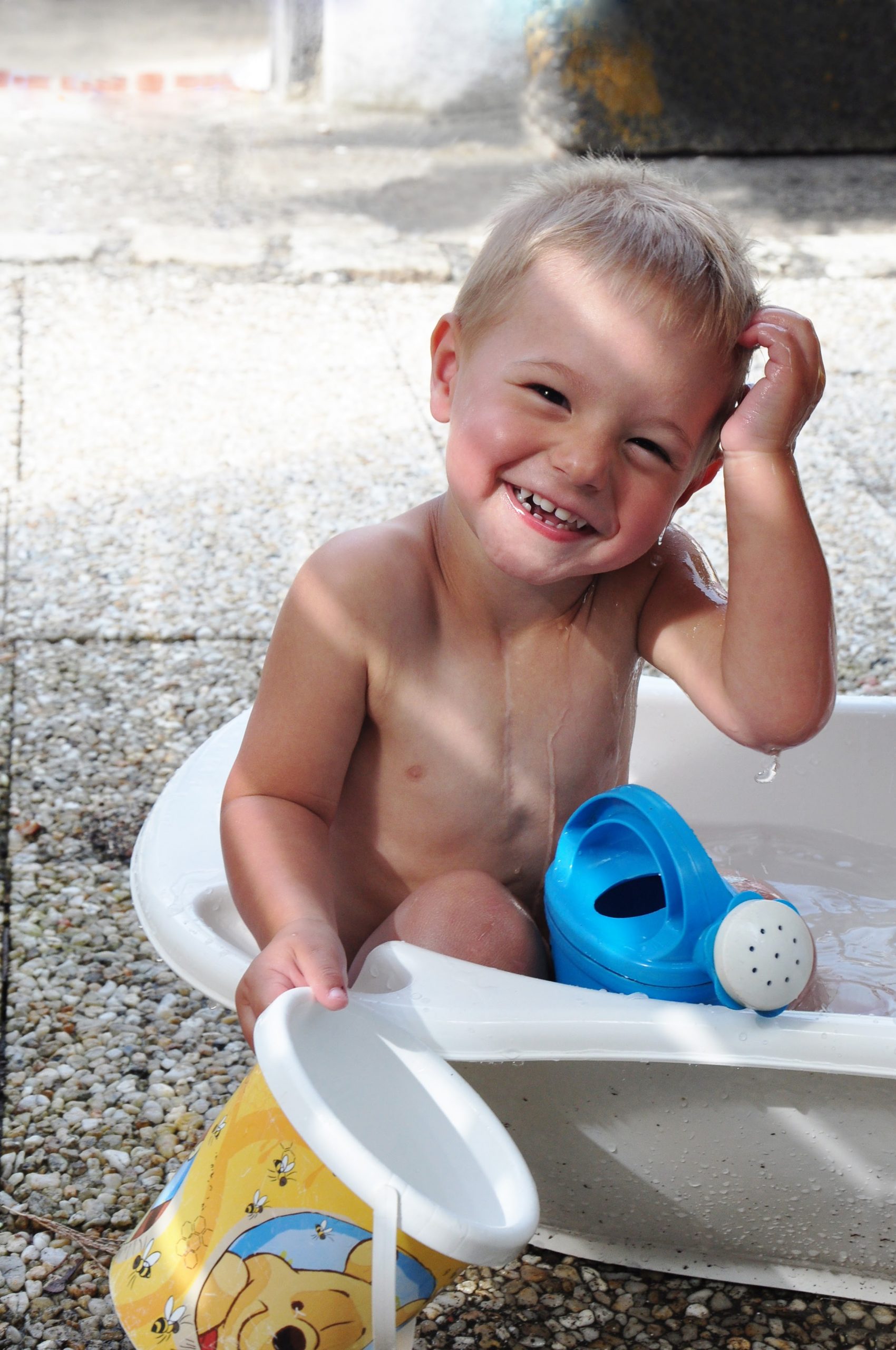
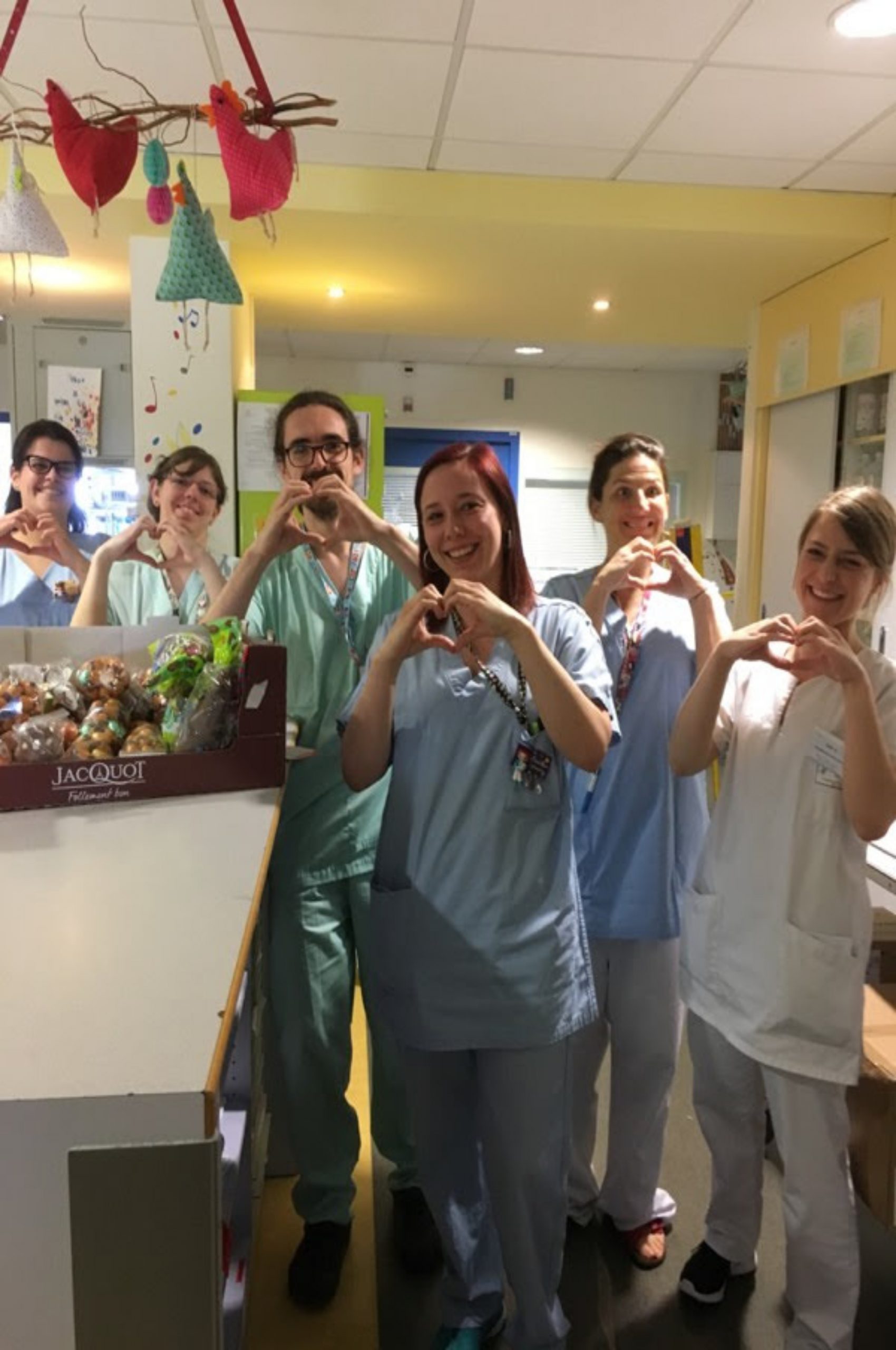
Olivier, whom you know well, has decided to support your association during his Everest challenge.
I believe you were particularly touched by the fact that Augustin finished this challenge with him.
Can you tell us about this day and the importance of these gestures of support for associations like yours?
It is true that this day was rich in emotions, not only because of the physical feat that Olivier accomplished, but as you said, for me the strongest moment was when Olivier took Augustin's hand to climb those few meters together.
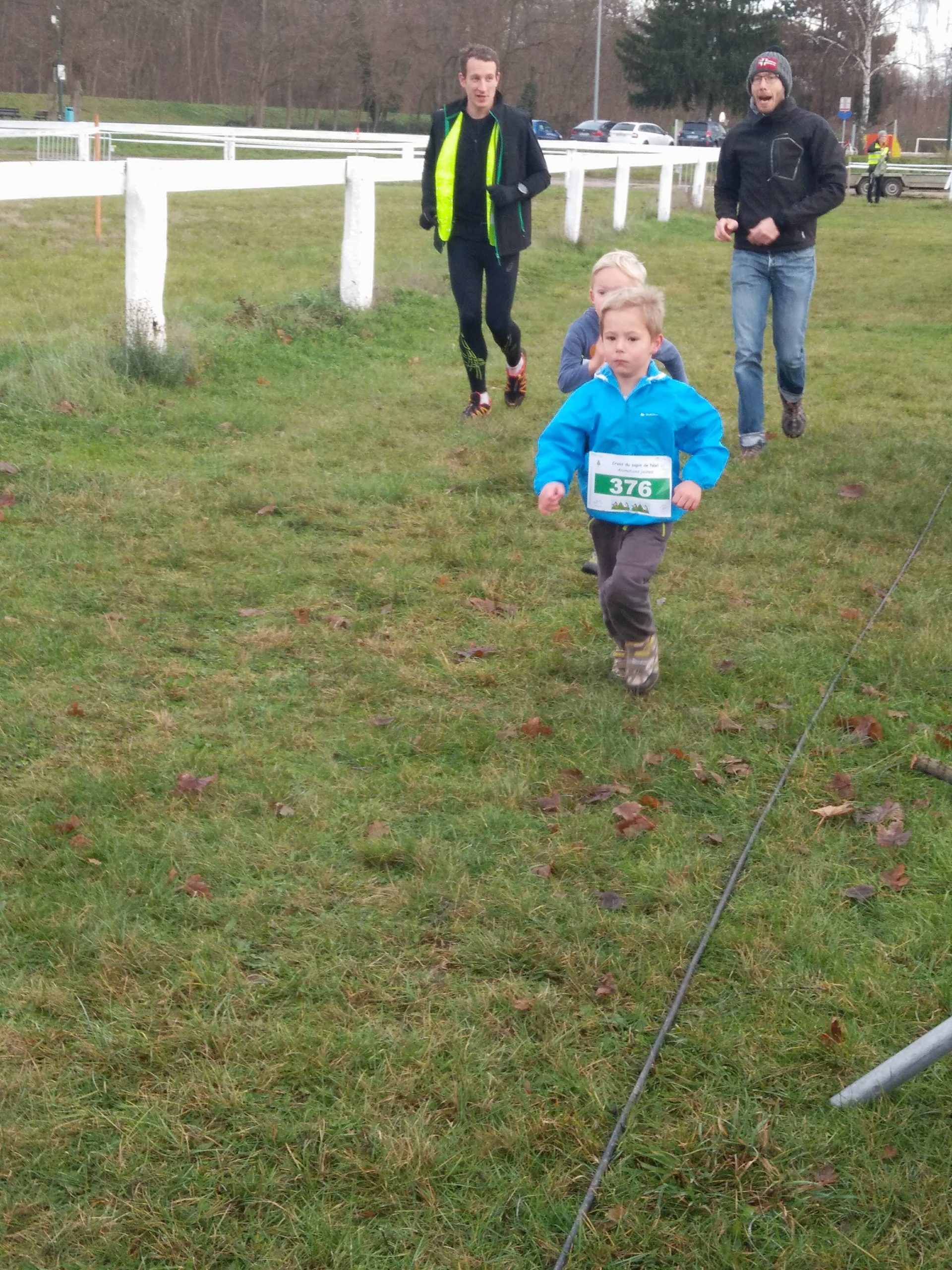
When we were told about Augustin's heart condition during my pregnancy, the doctor said he would never make it to the Olympics… He just recently turned six; he's a very energetic and athletic child, more than we expected. My husband and I don't want to hold him back out of fear of illness; on the contrary, we want to instill in him values of self-improvement and, above all, courage so that he can live his life peacefully as a child, a teenager, and later as a young adult with this scar and his repaired heart, and who knows… why not make it to the Olympics one day?!
That is why these kinds of events are important for our association; of course they allow us to make ourselves known to the general public, but above all they carry a message of hope for parents who may have just been told that their baby will have surgery at birth.
Who can support you and how?
Everyone can support us and even become a volunteer. You can visit our website. www.petitcoeurdebeurre.fr or contact me directly at the following address:
marguerite.s@petitcoeurdebeurre.fr
Are there any other events planned to support "petit cœur de beurre" that you would like to invite our readers to?
Unfortunately, due to the current health crisis, events and interventions at the University Hospital are on hold. However, we are hopeful that we will be able to participate in various events again, such as the Strasbourg races scheduled for August 29th, for which we hope to assemble a group of runners representing Petit Cœur de Beurre.
If one of our readers wishes to help "Petit Cœur de Beurre" and sponsor the association through an event, who should they contact?
To organize an event in Alsace, whether it is a sporting, cultural or musical event, simply contact me at the address mentioned above.
Marguerite, I'll leave you with the last word!
"Because being born with a congenital heart defect means starting life with a battle armed only with the strength and courage of someone who has never experienced anything."